


Reliable cable and support systems built for demanding global projects.
Certified quality and dependable delivery backed by practical engineering support.




Company FAQs
Click a question to reveal the answer.
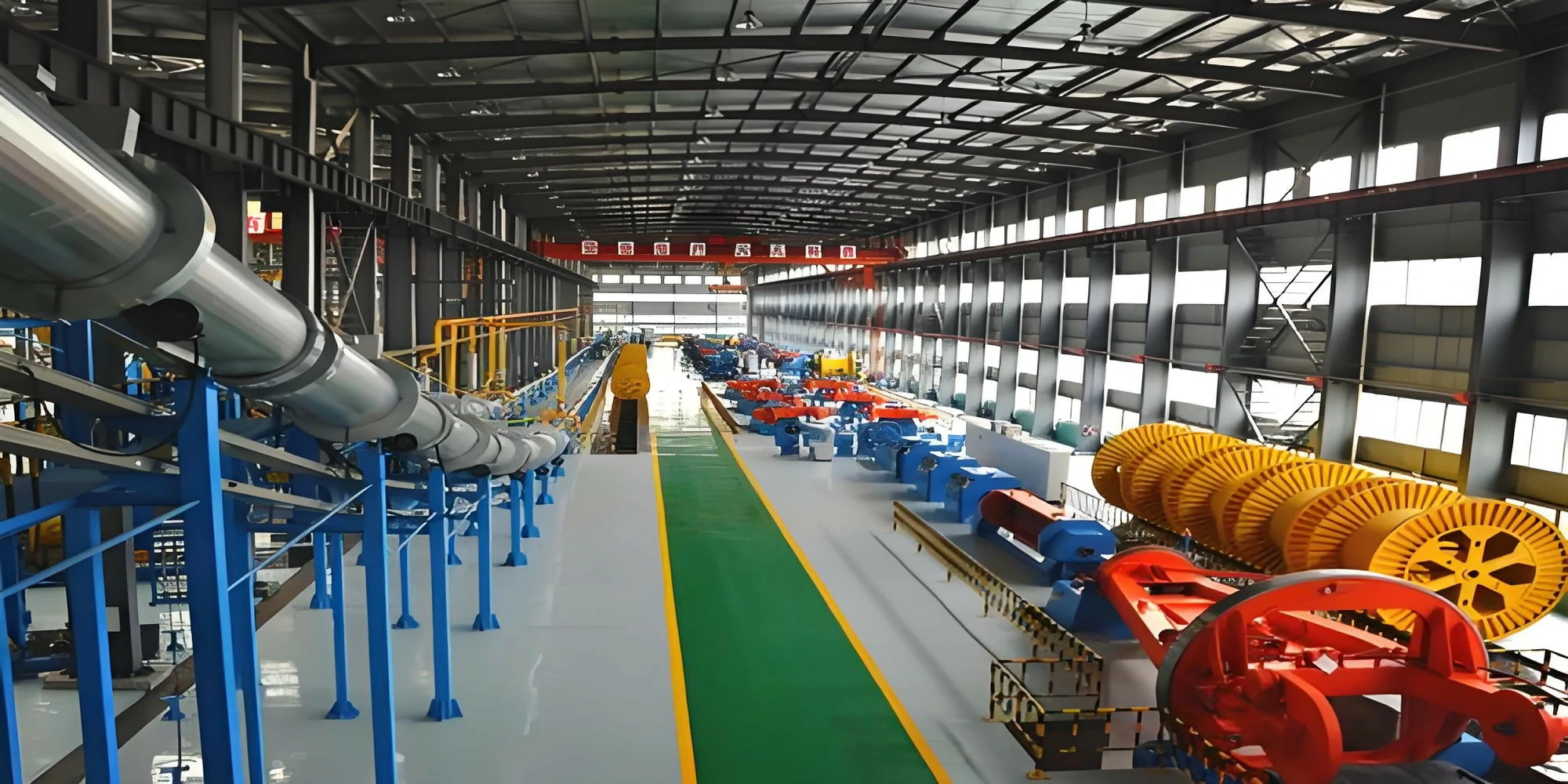
A credible cable manufacturer company profile should clearly state its production capabilities, core product categories, quality control systems, and target customer segments. For international buyers evaluating a cable manufacturer, the profile must demonstrate factory-based supply rather than trading-only operations, covering electrical cables such as power cables, control cables, solar cables, armoured cables, and fire resistant cables, alongside cable support systems including cable trays, cable ladders, and strut channels. This combination confirms the supplier can handle coordinated procurement for complex electrical installation projects across construction, industrial, and renewable energy sectors.
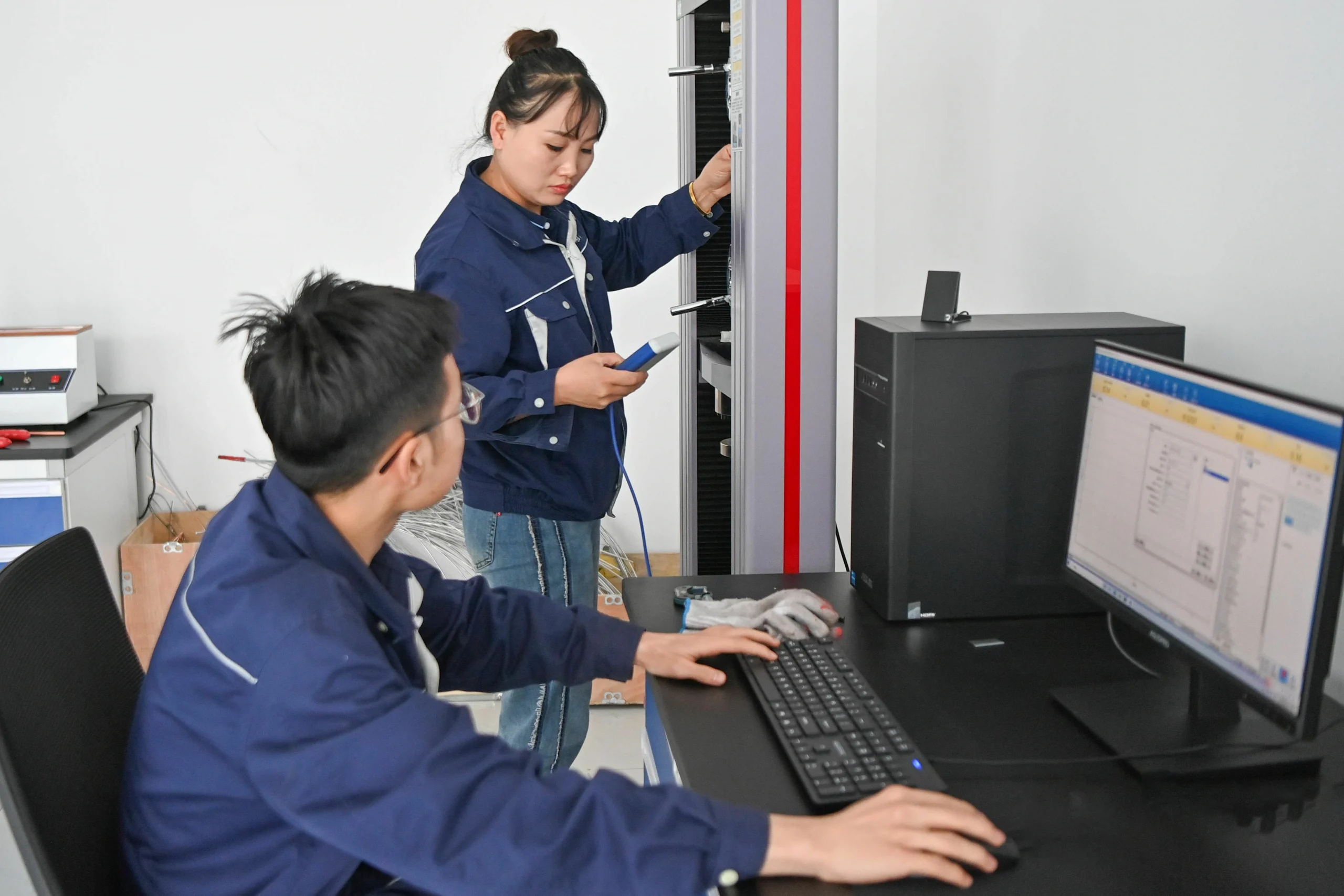
A factory-direct cable manufacturer maintains quality through a structured approach encompassing raw material control, production process management, finished product inspection, and quality traceability. For electrical cables, this includes verifying conductor material, insulation integrity, sheath consistency, voltage performance, and marking accuracy. For cable support systems, quality attention covers material thickness, dimensional precision, surface finish, forming accuracy, and welding quality. This end-to-end control, typical of a serious cable manufacturer, ensures each order meets agreed specifications and international standards such as IEC, BS, EN, or ASTM, supporting stable quality for repeat project supply.
EPC companies and electrical contractors prefer a cable manufacturer that also provides cable support systems because cables and their routing infrastructure are interdependent in installation projects. A single supplier offering power cables, control cables, solar cables, armoured cables, and fire resistant cables, plus cable trays, cable ladders, cable trunking, and strut channels, reduces supplier communication overhead and improves product matching. This integrated supply model simplifies procurement logistics, ensures compatibility between cables and support components, and supports more consistent project delivery for commercial buildings, industrial facilities, and infrastructure developments.
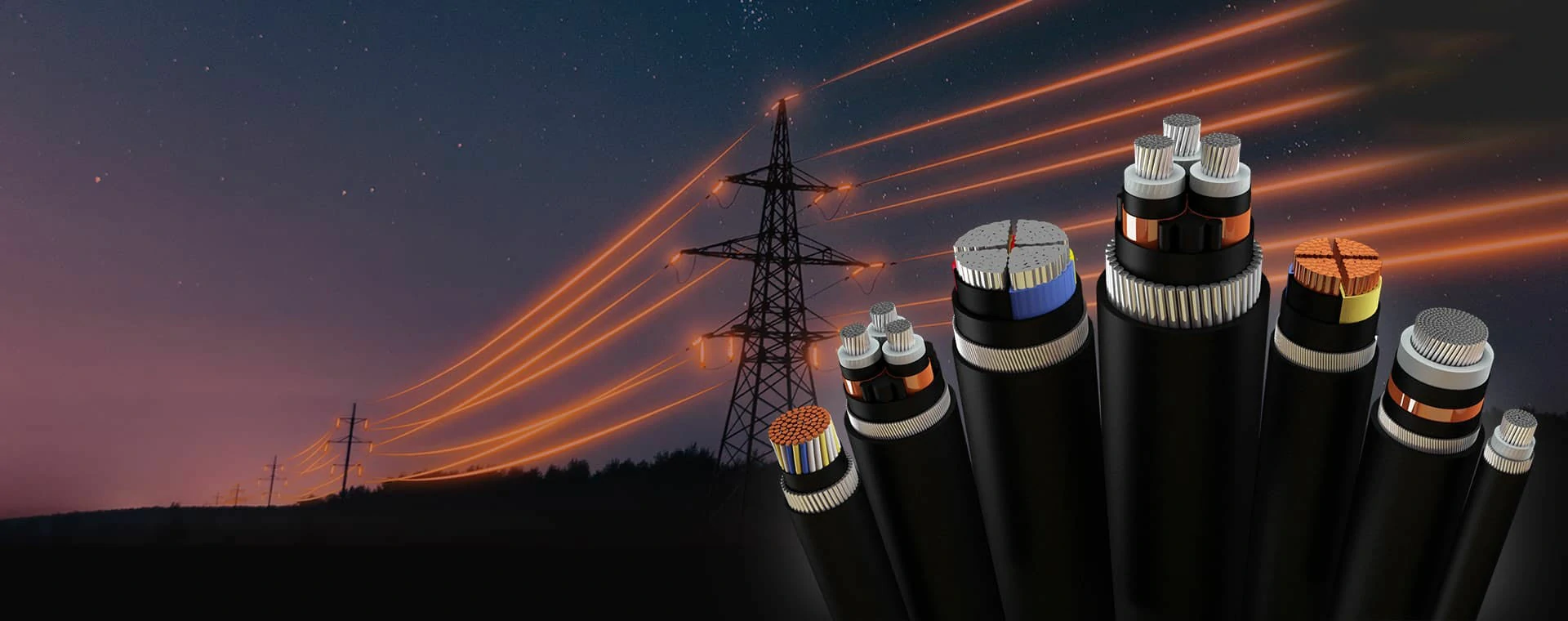
A comprehensive cable manufacturer serving global markets typically offers a dual product portfolio: electrical cables and cable support systems. The cable range includes power cables, control cables, solar cables, armoured cables, fire resistant cables, instrumentation cables, LSZH cables, and medium voltage cables. The support system range covers cable trays, cable ladders, wire mesh cable trays, cable trunking, strut channels, EMT, and related accessories. This breadth allows the cable manufacturer to support diverse applications from data centers and solar power systems to marine engineering and industrial automation, meeting varied international project requirements.
Buyers should expect an experienced cable manufacturer to deliver stable product quality, consistent specifications, responsive service, practical cost control, and reliable supply support over repeated orders. Beyond single-transaction pricing, long-term cooperation value includes reduced sourcing workload, improved specification consistency across batches, optimized packaging and delivery arrangements, and lower overall procurement costs. For distributors, EPC companies, and project buyers, this partnership model enables more efficient procurement planning, smoother project execution, and dependable supply continuity, which are critical factors when selecting a cable manufacturer for ongoing international projects.