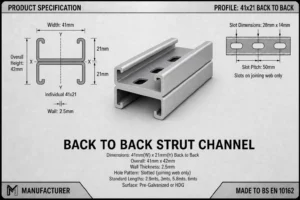
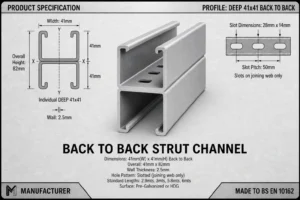
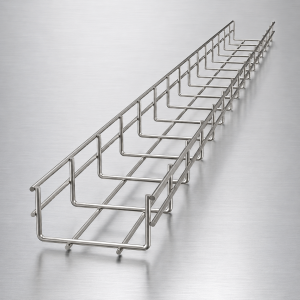
Back-to-Back Strut Channel 41x42mm
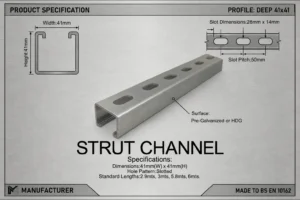
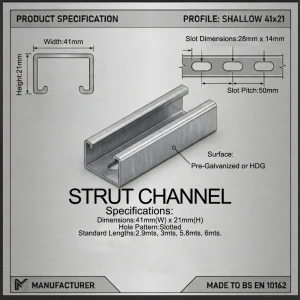
Strut Channel 41x21mm engineered for reliable power and signal transmission.

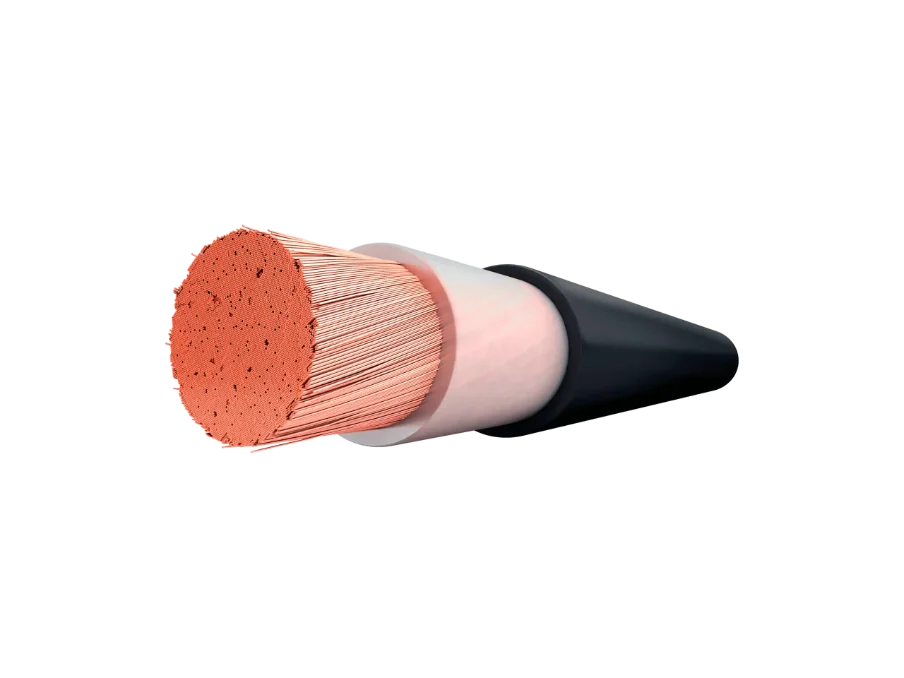
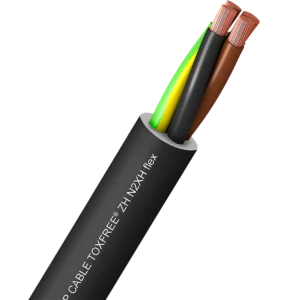
Sheathing offers superior flexibility and resistance to abrasion, chemicals, and solvents. They are commonly used in demanding applications where flexibility and durability are critical, such as: industrial automation, robotics, and manufacturing.
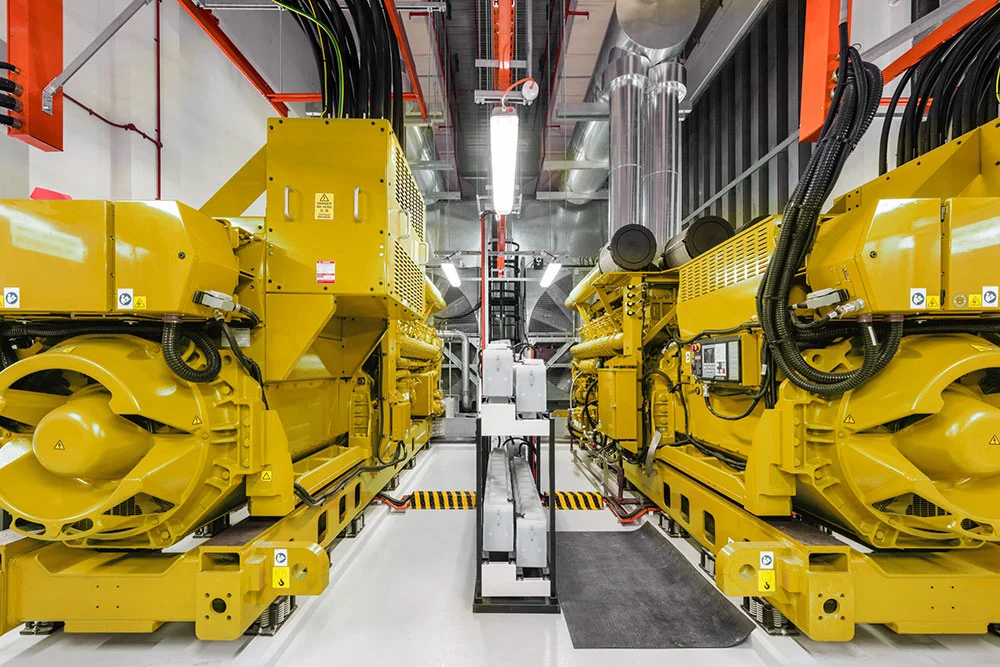
High-temperature cables for industrial facilities, including SiWO silicone-insulated types, withstand extreme heat (up to 180°C) while maintaining flexibility. Featuring fiberglass reinforcement and tinned copper cores, they ensure reliable power in Harsh Applications where thermal endurance and vibration resistance are critical.
High-temperature cables for industrial facilities, including SiWO silicone-insulated types, withstand extreme heat (up to 180°C) while maintaining flexibility. Featuring fiberglass reinforcement and tinned copper cores, they ensure reliable power in Harsh Applications where thermal endurance and vibration resistance are critical.
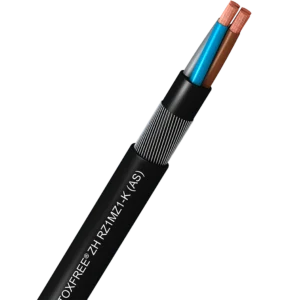

Resists crushing & impact damage

Reinforced Mechanical Protection

Built for Versatility and Durability in Fixed Armoured Applications

Quality You Can Trust – From an Industry Leader

Dedicated Technical Support Whenever You Need It

Excellence in Service, Mastery in Logistics.
Click a question to reveal the answer.
In the international market, high-temperature cables are identified by their material acronyms (like PTFE, FEP), their UL AWM style numbers (e.g., UL 3122), or IEC classifications. The Chinese system uses the GB (Guobiao) standard, relying on specific Pinyin initials to indicate the chemical makeup of the insulation.
Chinese System (GB/T): Common models include AF (Fluoroplastic insulation), YG (Silicone rubber), and GN (Fire-resistant/Mica). For instance, an AF-200 indicates a fluoroplastic wire rated for 200℃.
International System (UL/IEC/CSA): Uses acronyms describing the exact construction or UL styles:
Fluoropolymers: PTFE, FEP, PFA (Often classified under UL 1180, UL 1332).
Silicone Rubber: SRML, SF-2, SFF-2.
Extreme Heat: TGGT (Teflon Glass Glass Teflon), MGT (Mica Glass Tape).
Global Interchangeability: Despite differing names, these cables can be used interchangeably in global projects. Performance is dictated by thermal endurance, dielectric strength, and conductor plating. As long as the physical materials (e.g., Silver-plated copper with PTFE) and the temperature/voltage ratings match the project's engineering specifications, the cables meet the universal physical laws of thermal degradation.
While all three are high-performance fluoropolymers, they serve different manufacturing and installation needs:
PTFE (Polytetrafluoroethylene): Rated up to 260℃. It offers the highest chemical resistance and lowest friction but must be tape-wrapped or ram-extruded, making it slightly stiffer.
FEP (Fluorinated Ethylene Propylene): Rated up to 200℃.. It is melt-extrudable, allowing for long continuous lengths and a 20-30% smaller diameter than conventional wires, perfect for tight spaces.
PFA (Perfluoroalkoxy): Rated up to 250℃.. It combines the superior extreme-heat rating of PTFE with the extrusion flexibility of FEP.
Bare copper oxidizes rapidly at elevated temperatures, leading to increased electrical resistance, brittle conductors, and eventual termination failure. In the international market, high-temperature cables utilize strictly plated conductors:
Tinned Copper: Standard for general silicone cables up to 150℃.
Silver-Plated Copper (SPC): Provides excellent conductivity and prevents oxidation; the standard for FEP and PTFE cables up to 200℃ - 250℃.
Nickel-Plated Copper (NPC): Withstands extreme heat up to 450℃+$ without oxidizing. Mandatory for MGT and TGGT cables.
TGGT (Teflon Glass Glass Teflon) is rated for continuous use at 250℃.
Construction: It consists of a nickel-plated copper conductor, wrapped in PTFE tapes, covered by a fiberglass wrap, and finished with a PTFE jacket.
Application: It handles extreme heat and is highly resistant to chemical vapors, making it the preferred choice for commercial ovens, industrial heaters, and glass kilns. However, it lacks the dynamic flexibility of silicone.
Both are standard Appliance Wiring Materials (AWM) made of silicone and fiberglass, but they differ in mechanical flexibility (the extra "F" stands for Flexible):
SF-2: Utilizes a solid or standard stranded conductor (Class B or C). Best for fixed internal wiring.
SFF-2: Utilizes a highly flexible stranded conductor (Class H or K). It is ideal for tight routing in small lighting fixtures or appliances subject to vibration.
Because these cables operate in extreme heat, their installation in cable trays, trunking, or strut channels requires strict thermal management:
Heat Dissipation: High-temp cables rely on ambient air to cool. Wire mesh cable trays or perforated metal cable ladders are vastly superior to solid-bottom trunking because they maximize airflow.
Spacing Rules: Cables should be installed in a single, flat layer with adequate spacing (often 1x to 2x the cable diameter) between them. Bunching them together creates a "heat trap" that can push the internal temperature beyond the cable's maximum rating.
No. This is a critical engineering distinction.
High-Temperature Cables (like Silicone or PTFE) are designed to operate continuously in high ambient heat (e.g., 200℃). However, if exposed to direct flames, a standard silicone cable will eventually burn.
Fire-Resistant Cables (like IEC 60331 compliant cables) are designed to survive direct fire (up to 950℃) for a specific duration (e.g., 2 hours) to maintain critical emergency life-safety circuits.
The choice depends on the presence of moisture and mechanical wear:
Extruded Jackets (FEP, PFA, Silicone): Provide a seamless, watertight barrier. They are mandatory for environments involving steam, high humidity, or chemical wash-downs.
Taped/Braided Jackets (PTFE Tape, TGGT, MGT): Provide higher absolute temperature resistance but are not inherently watertight, as moisture can penetrate the fiberglass braids. They are best suited for completely dry, extreme-heat zones like kilns or furnaces.