

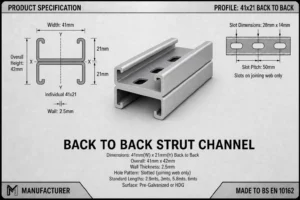
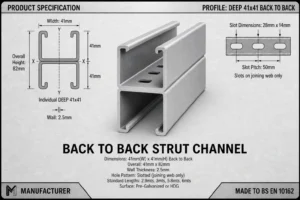
Back-to-Back Strut Channel 41x42mm
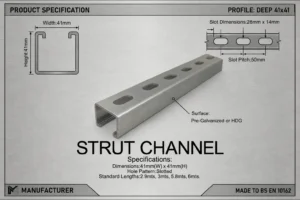
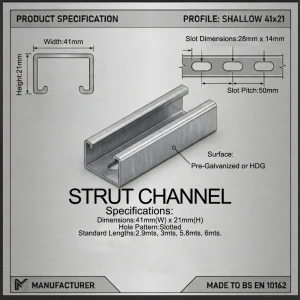
Strut Channel 41x21mm engineered for reliable power and signal transmission.

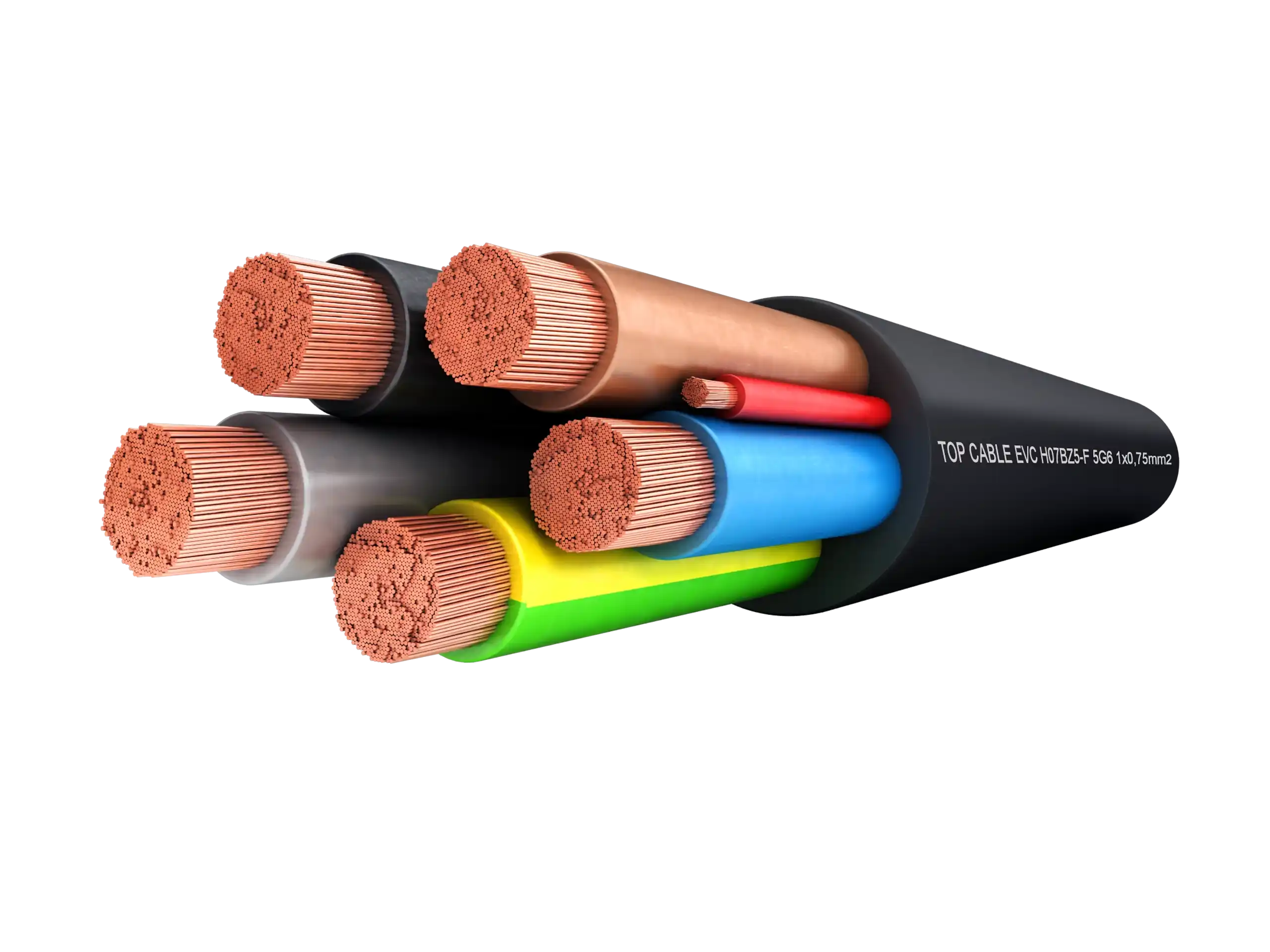
TOP CABLE is the leading manufacturer and supplier of EV charging cables, delivering the high electrical performance and fire safety essential for your EV charging infrastructure.
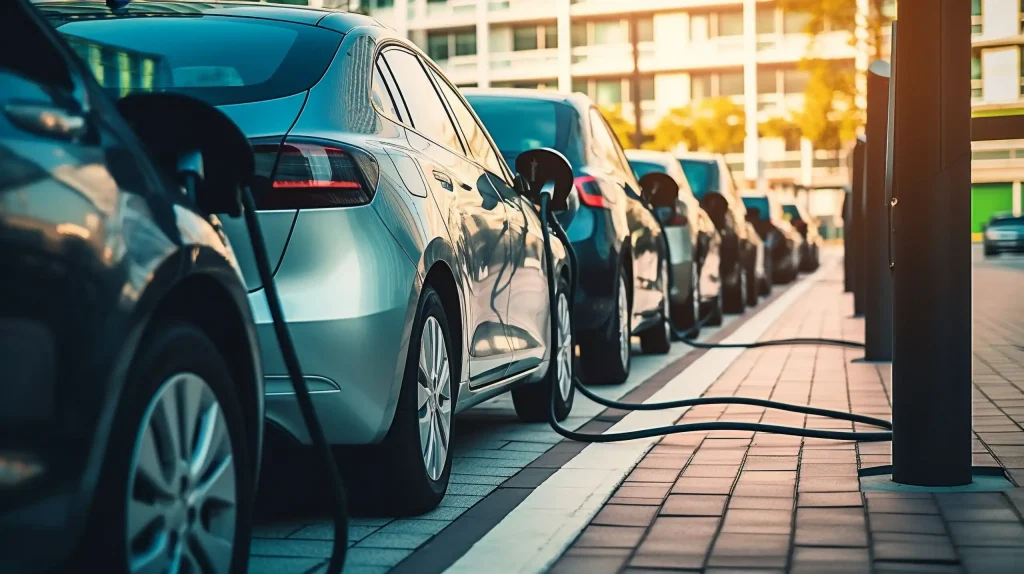
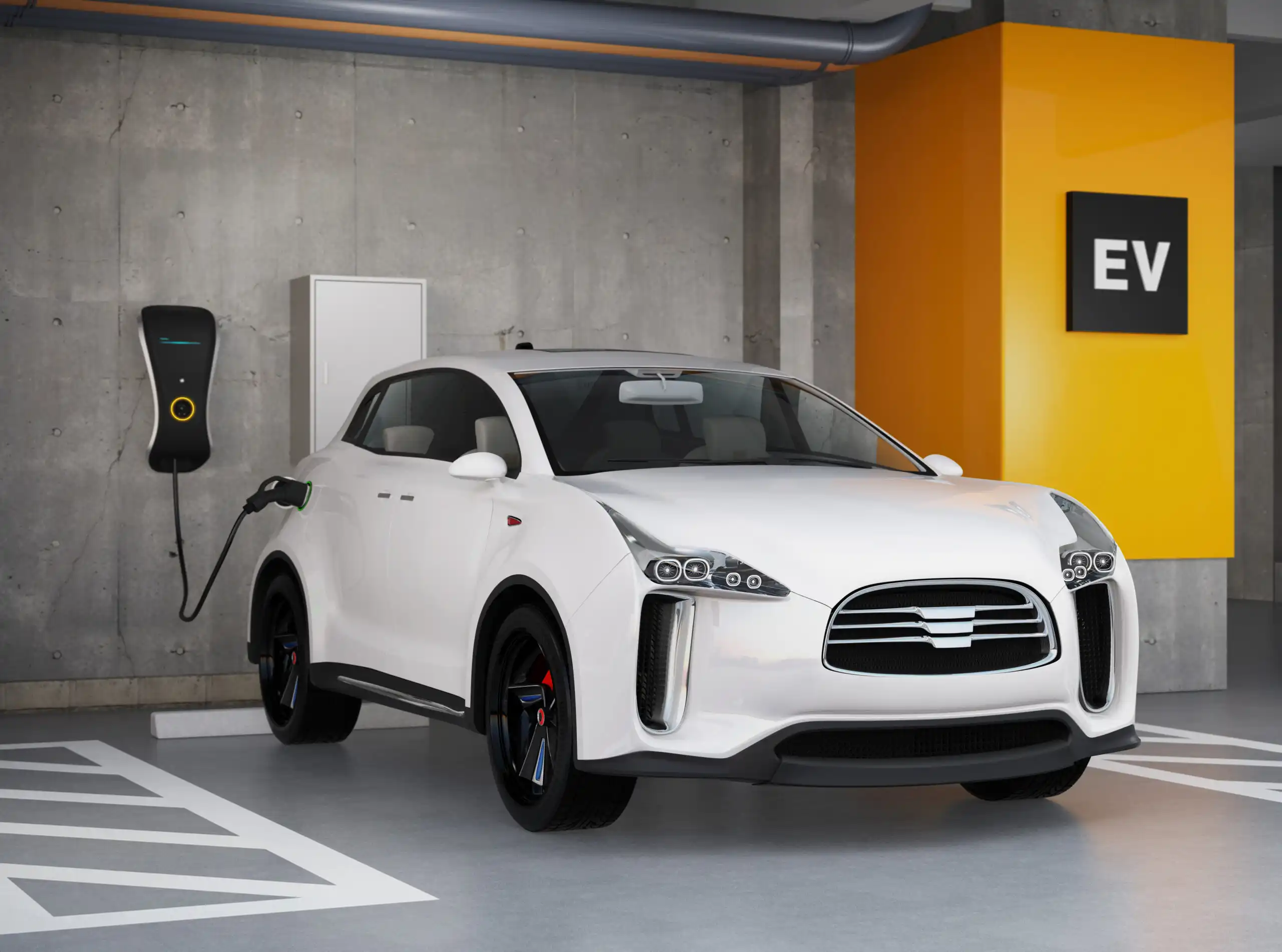
EV charging cables provide high-power transmission, exceptional flexibility, and fire-safe operation (CPR B2ca) for electric vehicle charging stations. Compatible with all major connector types, they are the ideal solution for public fast-charging hubs, commercial fleet depots, and residential wallboxes—featuring seamless plug-and-charge functionality for effortless user experience.
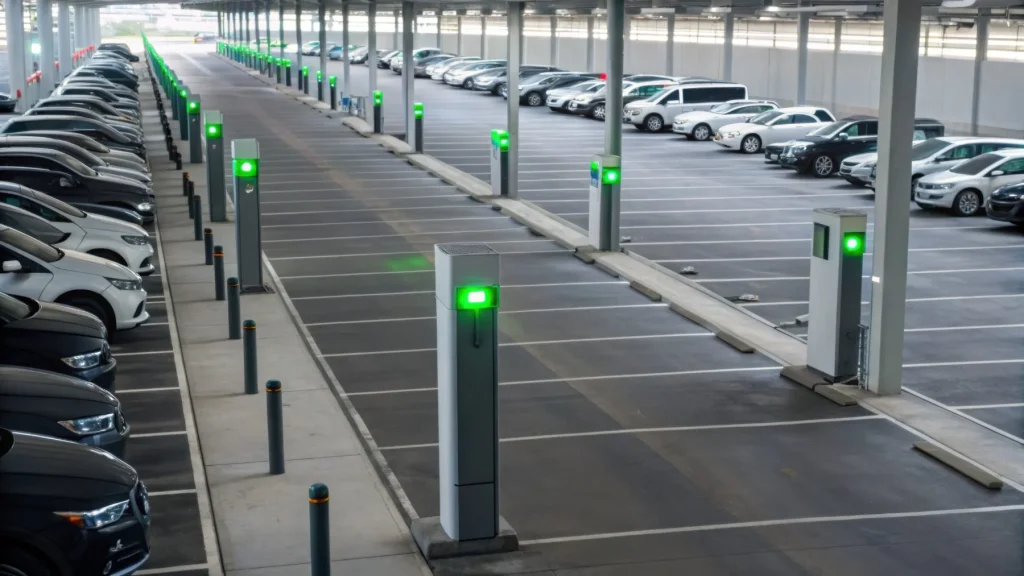
EV charging cables provide high-power transmission, exceptional flexibility, and fire-safe operation (CPR B2ca) for public electric vehicle charging station infrastructure, including city hubs, airports, and train stations. Compatible with all major connector types, they are the ideal solution for featuring seamless plug-and-charge functionality for effortless user experience.
EV charging cables provide high-power transmission, exceptional flexibility, and fire-safe operation (CPR B2ca) for electric vehicle charging stations. Compatible with all major connector types, they are the ideal solution for public fast-charging hubs, commercial fleet depots, and residential wallboxes—featuring seamless plug-and-charge functionality for effortless user experience.
EV charging cables provide high-power transmission, exceptional flexibility, and fire-safe operation (CPR B2ca) for public electric vehicle charging station infrastructure, including city hubs, airports, and train stations. Compatible with all major connector types, they are the ideal solution for featuring seamless plug-and-charge functionality for effortless user experience.
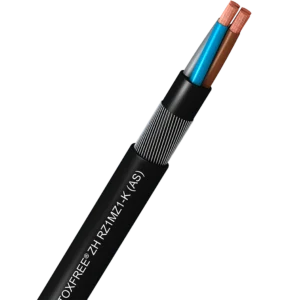
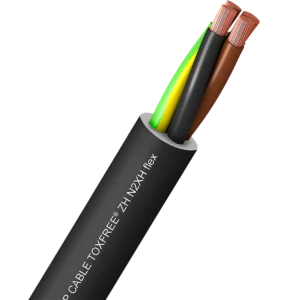

Resists crushing & impact damage

Reinforced Mechanical Protection

Built for Versatility and Durability in Fixed Armoured Applications

Quality You Can Trust – From an Industry Leader

Dedicated Technical Support Whenever You Need It

Excellence in Service, Mastery in Logistics.
Click a question to reveal the answer.
In the international market, EV cables follow structural or application-specific codes defined by IEC, EN, or UL standards. The Chinese system utilizes the GB (Guobiao) standard, characterized by specific pinyin initials.
Chinese System (GB/T 33594): Commonly uses models like EVR (Flexible conductor, PVC insulation), EVYR (PVC insulation/sheath), EV-V (PVC/PVC), and EV-Y (TPE/TPE).
European System (EN 50620 / IEC 62893): Models such as H05BZ5-F and H07BZ5-F are standard. The codes indicate harmonized standards (H), specific voltage ratings (05/07), and materials like TPU/PUR (B/Z5).
North American System (UL 62): Utilizes types such as EVE (Thermoplastic Elastomer), EVT (Thermoplastic PVC), and EVJ (Junior service, 300V).
Liquid-cooled cables are essential for High-Power Charging (HPC) above 250A to prevent overheating.
Composition: These cables feature integrated cooling channels (often using a water-glycol mixture or synthetic oil) surrounding the power conductors.
Advantage: This allows for a significantly smaller conductor cross-section, making the cable lighter and more flexible for the end-user while maintaining high power delivery.
The choice depends on the severity of the industrial environment:
TPU/PUR (Polyurethane): Offers superior abrasion resistance, tear strength, and chemical durability. It is the gold standard for public charging stations with high mechanical wear.
TPE (Thermoplastic Elastomer): Provides better flexibility at extremely low temperatures and is generally more cost-effective for private home-charging or portable units.
Electromagnetic Compatibility (EMC) is critical in automated charging environments.
Structure: High-performance EV cables utilize Tinned Copper Braiding or foil screening to shield signal cores (CP/PP).
Benefit: It prevents electromagnetic interference from high-current power lines from corrupting communication signals, ensuring a stable "handshake" between the vehicle and the EVSE (Electric Vehicle Supply Equipment).
XLPE (Cross-linked Polyethylene) is frequently used for high-voltage internal EV cables (orange cables).
Performance: It handles higher continuous operating temperatures (up to 125°C or 150°C) and offers better resistance to short-circuit thermal spikes compared to standard PVC or TPE.
AC Cables: Designed for lower power (3.7kW to 22kW) and use simpler 3-phase or 1-phase configurations for home/workplace parking.
DC Cables: Engineered for high-voltage power (up to 1000V/1500V) for rapid transit hubs. They require more robust thermal management and larger conductors (or cooling systems) to handle currents up to 500A.
To ensure legal compliance and safety:
European Market: Requires CE marking and often VDE or TÜV certification according to EN 50620.
US Market: Requires UL listing (e.g., UL 2263) to meet the National Electrical Code (NEC) Article 625.
These integrated control cores facilitate the communication protocol:
CP: Communicates the charging state and maximum allowable current between the EV and station.
PP: Confirms the plug is fully inserted and prevents the vehicle from driving away while connected.