Products Categories
ARMOURED CABLES
CONTROL & SCREENED CABLES
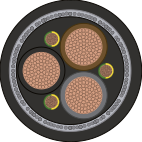
EV ELECTRIC VEHICLE CABLES

ALUMINIUM CABLES

FIBER OPTIC CABLES

FIRE RESISTANT CABLES
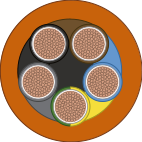
XLPE/PVC POWER CABLES
HIGH TEMPERATURE CABLES
INSTRUMENTATION CABLES
SPECIAL CABLES
SOLAR CABLES
LSZH CABLES
MARINE CABLES
RUBBER CABLES
PANEL WIRE CABLES
MEDIUM VOLTAGE CABLES
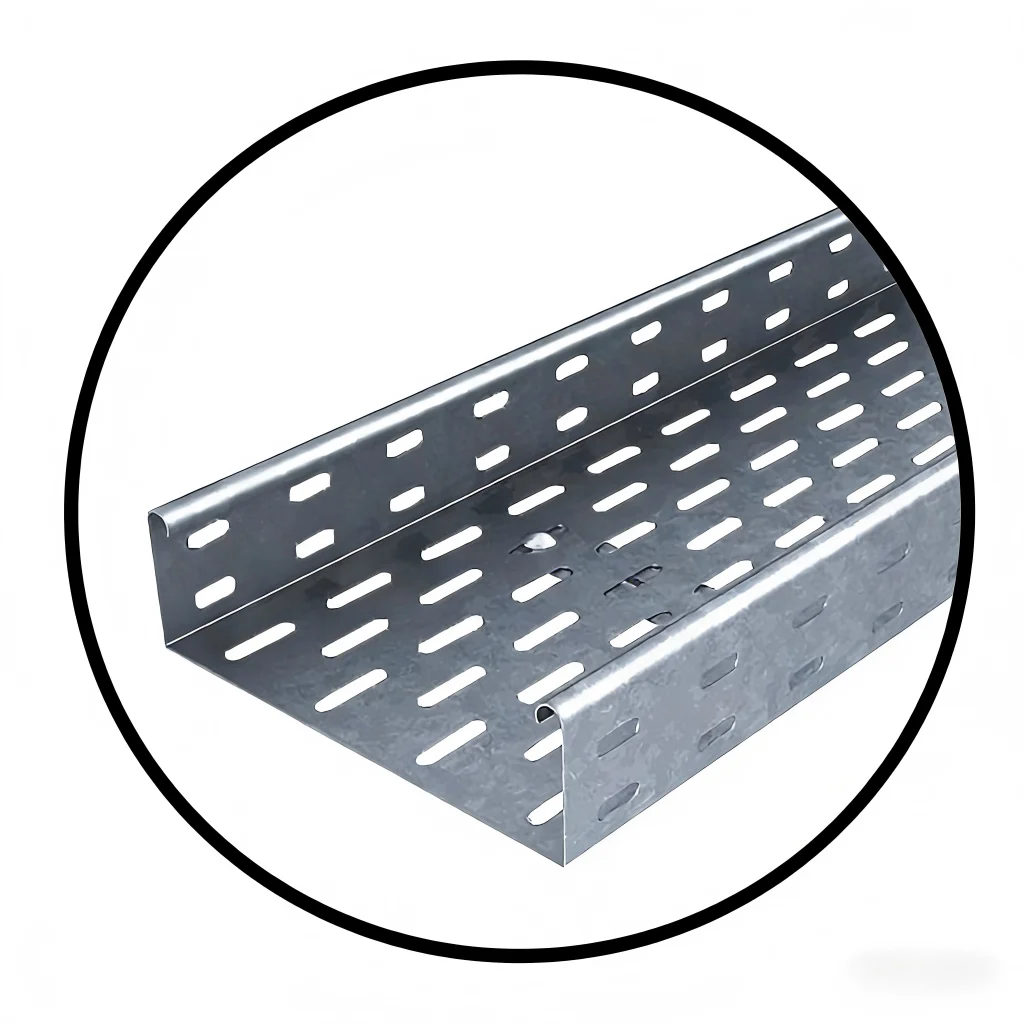
Cable Tray System
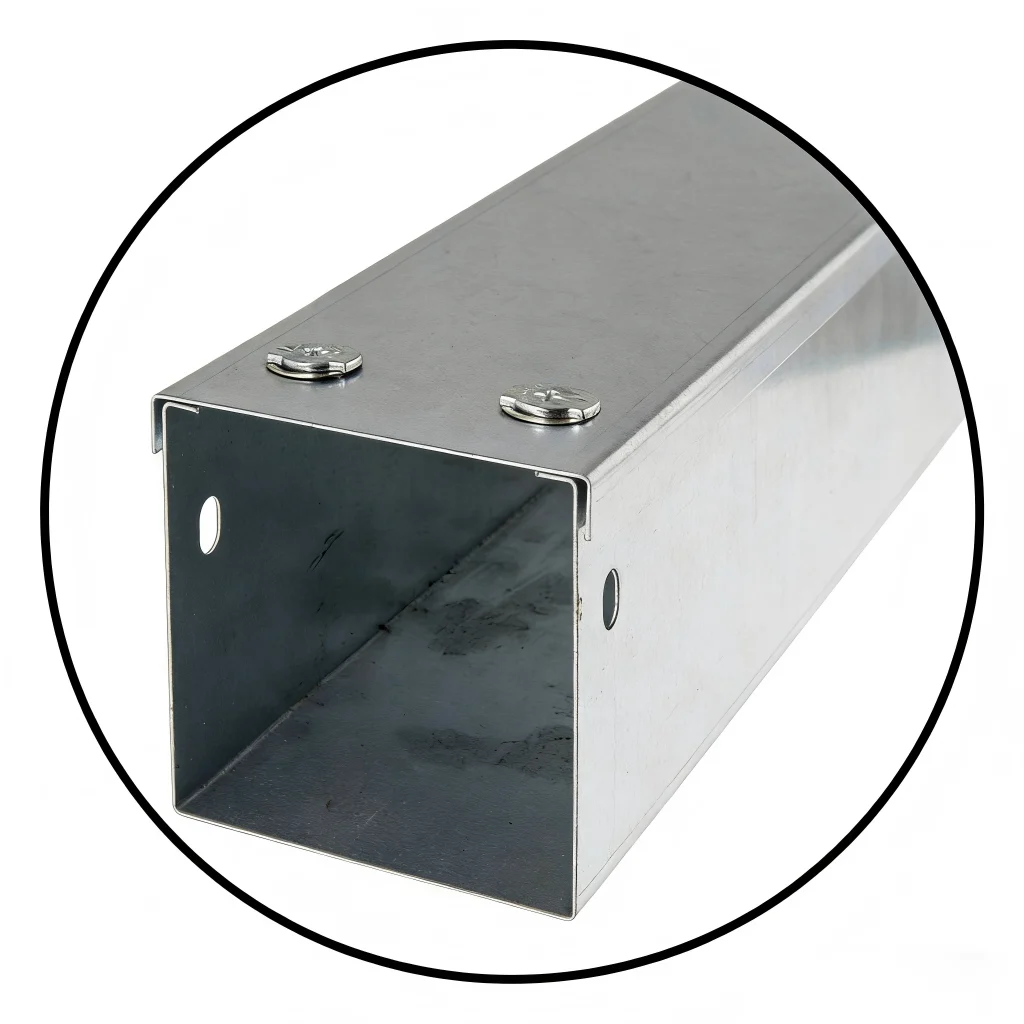
Cable Trunking System
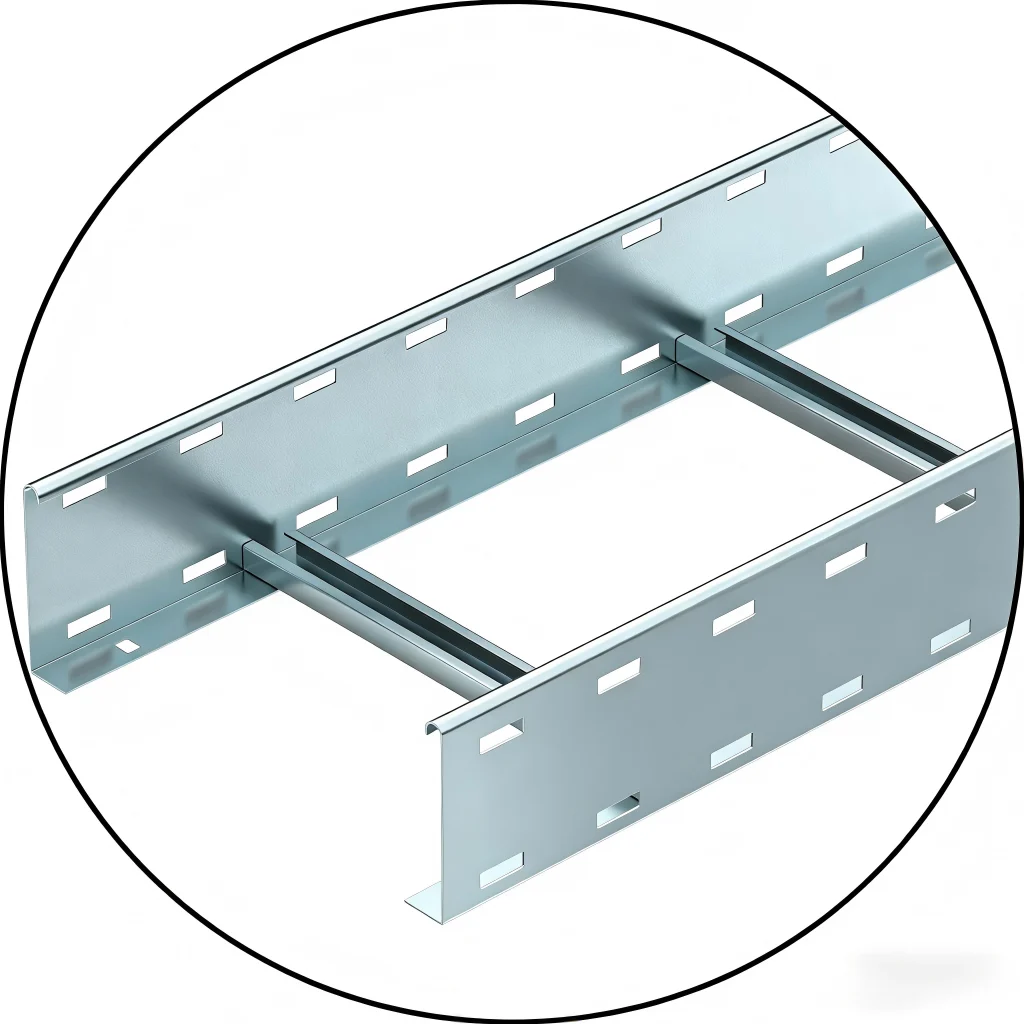
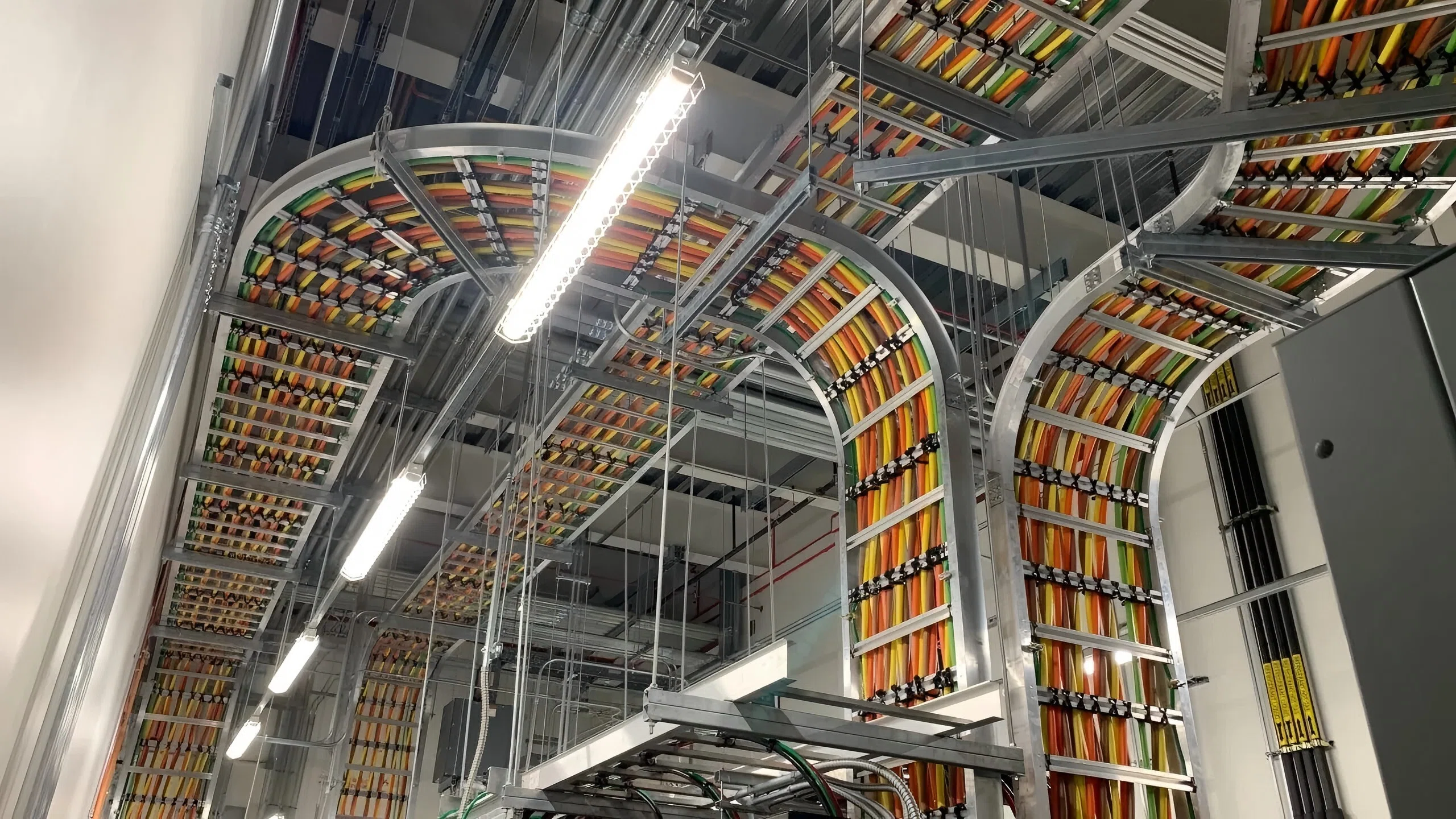
Cable Ladder System
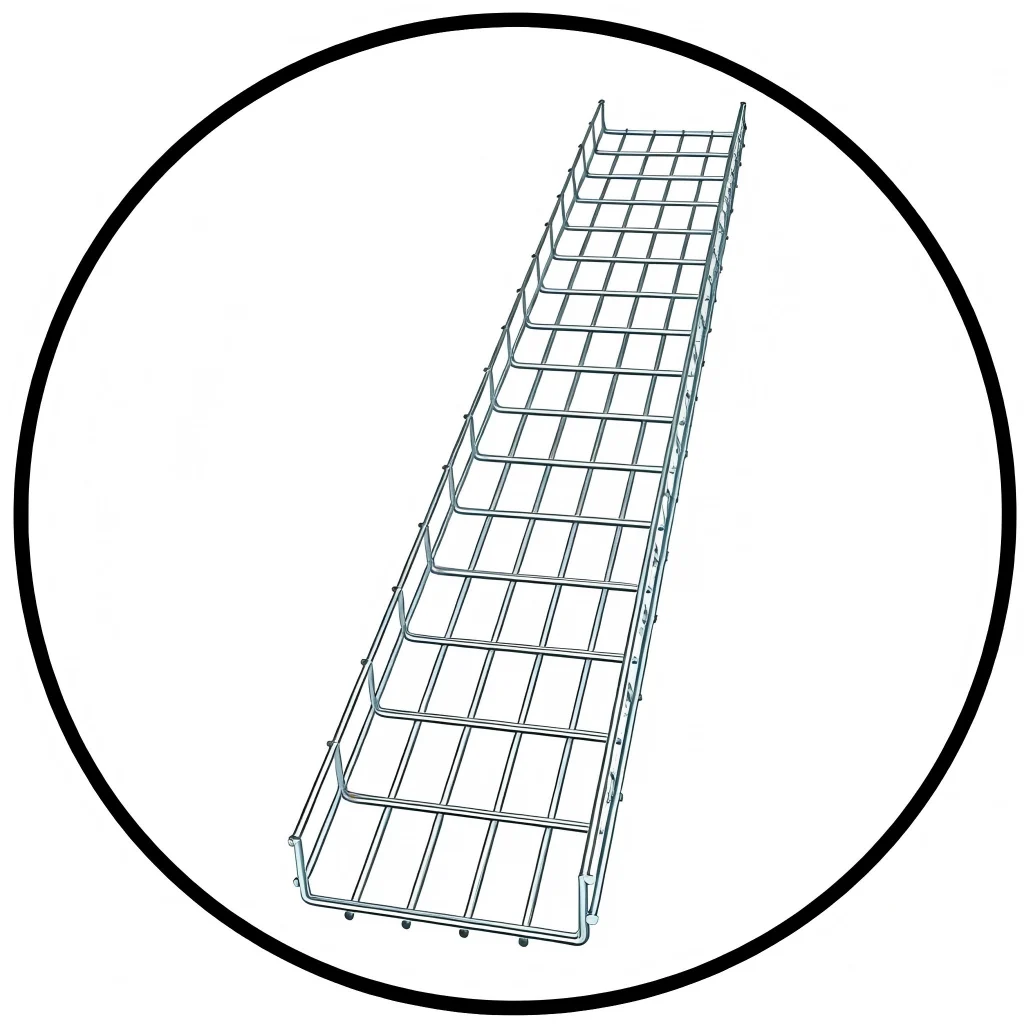
Wire Mesh Cable Tray System
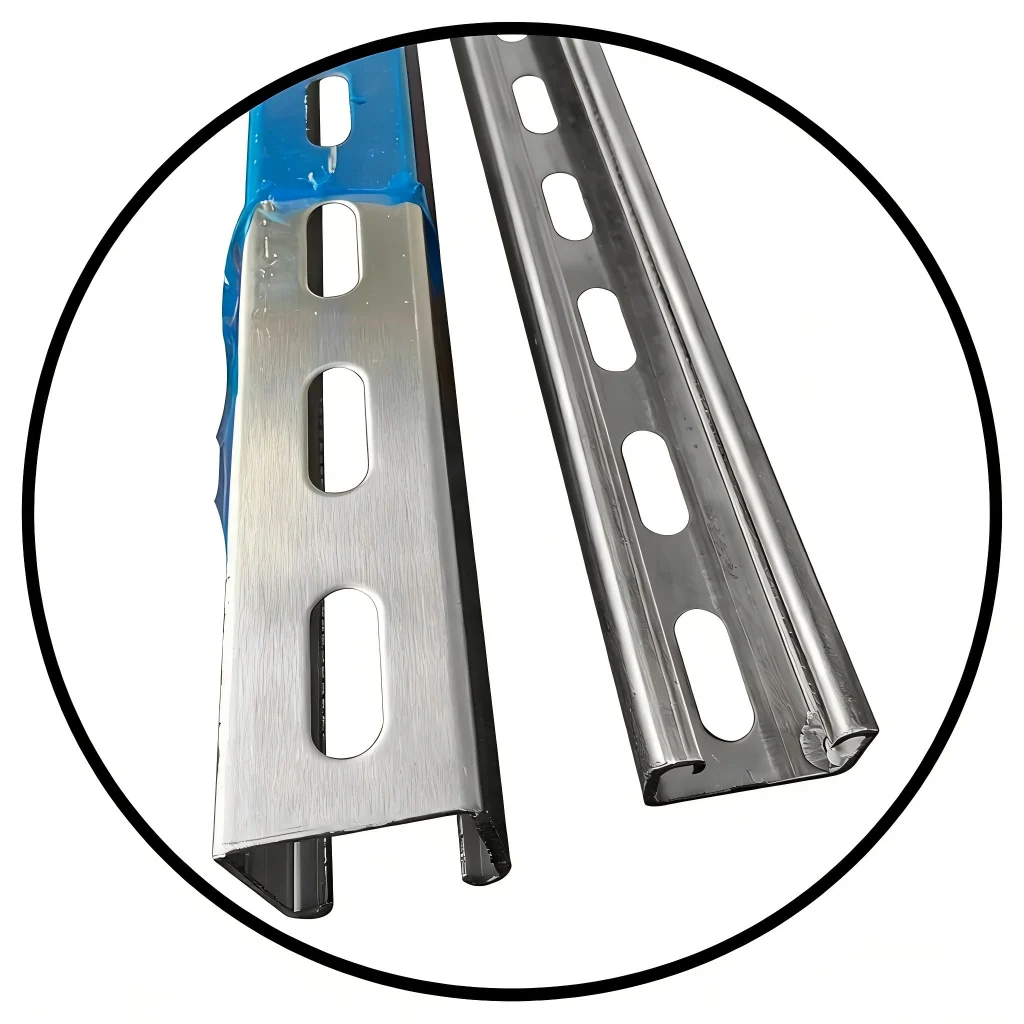
Strut Channel
ALUMINIUM CABLES
ARMOURED CABLES
CABLE LADDER SYSTEM
- China Standard Cable Ladder Tray
- Extra Heavy-Duty Cable Ladder
- Inward Flanged Side Rail Cable Ladder System
- Perforated Cable Ladder
CABLE TRAY SYSTEM
CABLE TRUNKING SYSTEM
CONTROL & SCREENED CABLES
ELECTRICAL METALLIC TUBING
EV ELECTRIC VEHICLE CABLES
FIBER OPTIC CABLES
FIRE RESISTANT CABLES

HIGH TEMPERATURE CABLES
Products Types FAQs
Click a question to reveal the answer.
We supply a wide range of cables and cable support systems for industrial, commercial, construction, infrastructure, energy, and electrical installation projects. Our product categories include aluminium cables, armoured cables, control and screened cables, EV electric vehicle cables, fiber optic cables, fire resistant cables, high temperature cables, instrumentation cables, LSZH cables, marine cables, medium voltage cables, panel wire cables, rubber cables, solar cables, special cables, XLPE/PVC power cables, cable trunking systems, cable ladder systems, cable tray systems, wire mesh cable tray systems, strut channels, and electrical metallic tubing.
We are a China-based factory supplier of cables and cable support systems. We support bulk supply, project procurement, OEM requirements, and customized production according to drawings or technical specifications.
Cables are used to transmit power, signals, data, or control signals. Cable support systems are used to route, protect, support, and organize cables during installation.
Power cables, control cables, solar cables, and fiber optic cables are electrical or communication products, while cable trays, cable ladders, cable trunking, wire mesh trays, strut channels, and EMT are used to support or protect cable installation systems.
Yes. We can supply both cables and cable management systems for complete electrical installation projects. This is useful for contractors, distributors, EPC companies, and project buyers who want to reduce supplier communication and improve procurement efficiency.
For example, you can source power cables, control cables, solar cables, cable trays, cable ladders, cable trunking, strut channels, and related accessories together according to your project requirements.
Industrial projects usually require strong, durable, and reliable products. Common options include armoured cables, medium voltage cables, control cables, instrumentation cables, fire resistant cables, rubber cables, cable tray systems, cable ladder systems, strut channels, and heavy-duty support accessories.
The final selection depends on voltage rating, cable load, installation environment, corrosion level, safety requirements, and local project standards.
Commercial buildings often use XLPE/PVC power cables, control cables, LSZH cables, fire resistant cables, panel wire cables, cable trunking systems, cable tray systems, wire mesh cable tray systems, strut channels, and EMT.
For indoor buildings, buyers often consider safety, appearance, fire performance, cable routing space, installation efficiency, and future maintenance.
For outdoor, humid, coastal, high-temperature, chemical, or industrial environments, buyers usually need products with stronger weather resistance, corrosion resistance, mechanical protection, or heat resistance.
Common choices may include armoured cables, rubber cables, marine cables, solar cables, high temperature cables, hot-dip galvanized cable trays, stainless steel cable trays, aluminum cable trays, and heavy-duty cable ladder systems.
Yes. We can customize many cable and cable support system products according to project specifications, drawings, materials, dimensions, surface treatments, packaging requirements, and application environments.
For cable support systems, customization may include width, height, length, thickness, material, finish, hole pattern, cover type, bend angle, and accessories. For cables, customization may include conductor material, core number, voltage rating, insulation, sheath material, color, marking, packaging, and standard requirements.
To get an accurate quotation, please provide the product category, model or specification, size, material, standard, quantity, application environment, destination port, and any drawings or technical documents.
For cables, please provide voltage rating, conductor material, core number, cross-sectional area, insulation and sheath material, standard, quantity, and packaging method. For cable trays or support systems, please provide width, height, length, thickness, material, surface finish, cover requirement, accessories, and installation environment.
Yes. We can quote according to project drawings, BOQ, technical specifications, product schedules, or sample requirements. Drawings and BOQ documents help us confirm product dimensions, material, structure, accessories, surface finish, and quantity more accurately.
This is especially useful for project-based procurement, where cable trays, cable ladders, trunking, strut channels, and accessories need to match the installation design.
We can supply both standard products and customized products. Standard products are suitable for common electrical installation and distribution projects. Customized products are suitable for projects with specific sizes, materials, surface treatments, technical standards, packaging, or OEM requirements.
If you are not sure which option is suitable, you can send your project requirements, and we can help check the practical production solution.
Cable management systems can be supplied in different materials and finishes, depending on the application. Common options include pre-galvanized steel, hot-dip galvanized steel, stainless steel, aluminum, powder-coated steel, and other project-specific finishes.
Indoor projects may use pre-galvanized or powder-coated products, while outdoor, coastal, humid, or industrial environments often require hot-dip galvanized, stainless steel, or aluminum solutions.
The right product category depends on the application, installation environment, voltage level, cable type, cable load, safety requirements, corrosion conditions, fire performance, and local standards.
For example, power transmission may require power cables or medium voltage cables. Solar projects may require solar cables. Heavy industrial cable routing may require cable ladders or heavy-duty cable trays. Clean indoor routing may use cable trunking or wire mesh cable trays.
Yes. We can provide matching accessories for cable trays, cable ladders, cable trunking, wire mesh cable trays, strut channels, and EMT systems.
Common accessories include bends, tees, crosses, reducers, covers, connectors, couplers, brackets, clamps, hangers, threaded rods, channel nuts, and fixing accessories. Matching accessories help improve installation efficiency and system stability.
Yes. Samples can be arranged for many standard products. Sample availability depends on product type, size, material, finish, and current stock.
Samples are useful for checking product structure, material, surface finish, workmanship, packaging, and compatibility before bulk purchasing.
Quality control can include raw material inspection, dimensional checking, production process control, surface finish inspection, electrical testing for cables, load-related checks for support products, packaging inspection, and final shipment inspection.
For project orders, products can be checked according to confirmed drawings, specifications, samples, or agreed inspection requirements.
Cables are usually packed in coils, wooden reels, steel-wooden reels, drums, or customized packaging according to cable type and order requirements. Cable trays, ladders, trunking, strut channels, and EMT are usually packed in bundles, pallets, or protective export packaging.
Proper packaging helps reduce damage, deformation, moisture exposure, and handling problems during international transportation.