

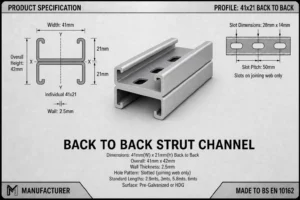
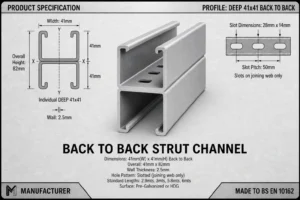
Back-to-Back Strut Channel 41x42mm
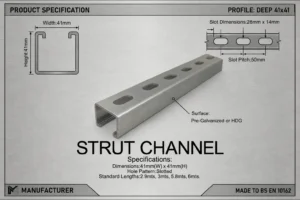
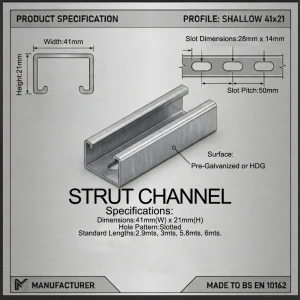
Strut Channel 41x21mm engineered for reliable power and signal transmission.

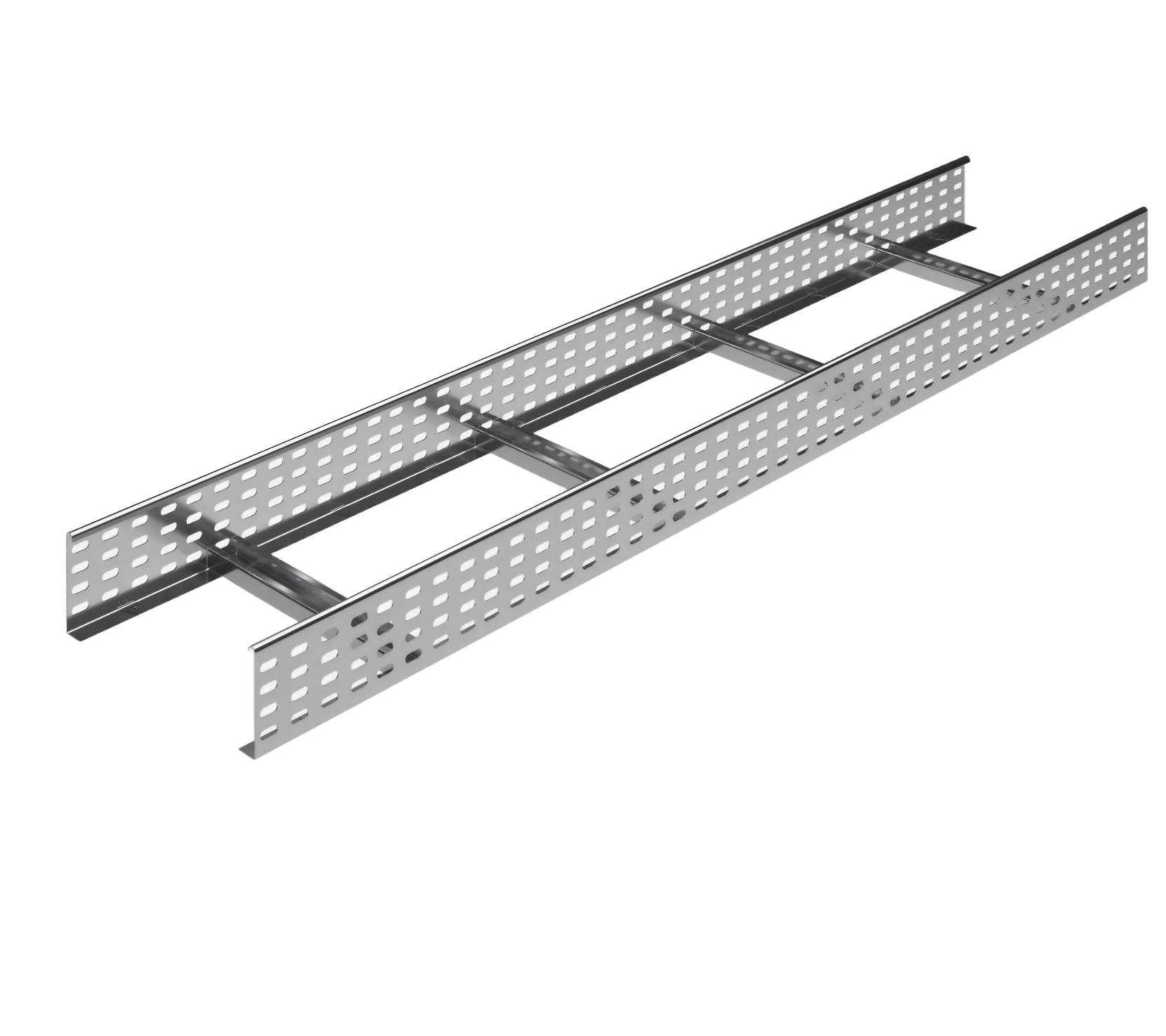
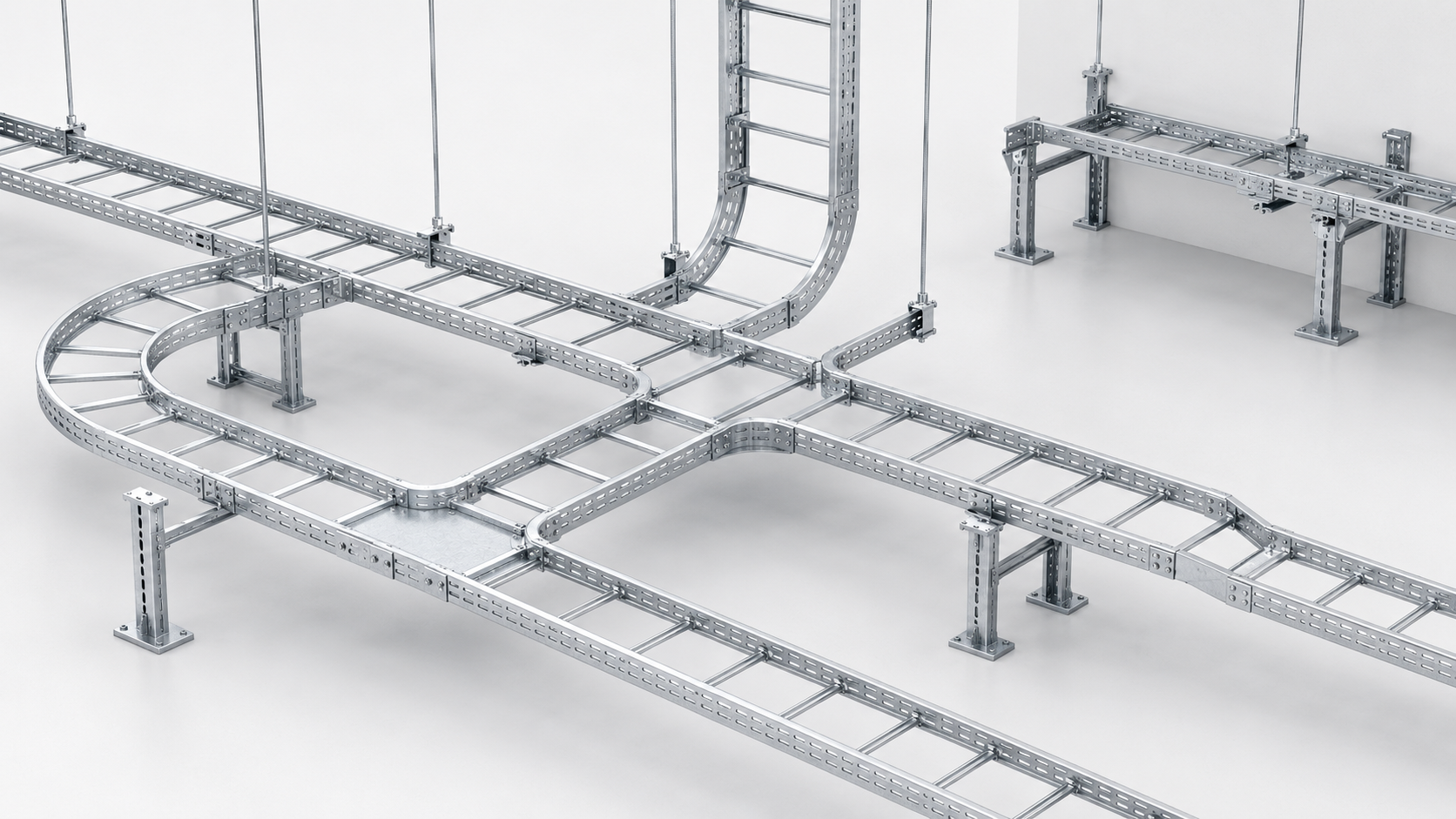
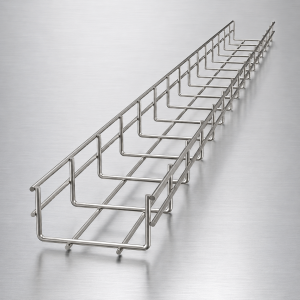
Wide variety of sizes, protection systems and accessories to adapt to the requirements of each electrical installation. In accordance with IEC 61537 standard. Conforms to NEMA VE-1 standards. CE conformance with directive 2014/35 / EU. Excellent robotic welding of rungs to the siderails. Maximum load capacity guaranteed. Multiple perforations on the rungs and side rails allow cables to be easily tied, secured and organized. The open ladder structure also promotes airflow around the cables, helping improve ventilation and heat dissipation.
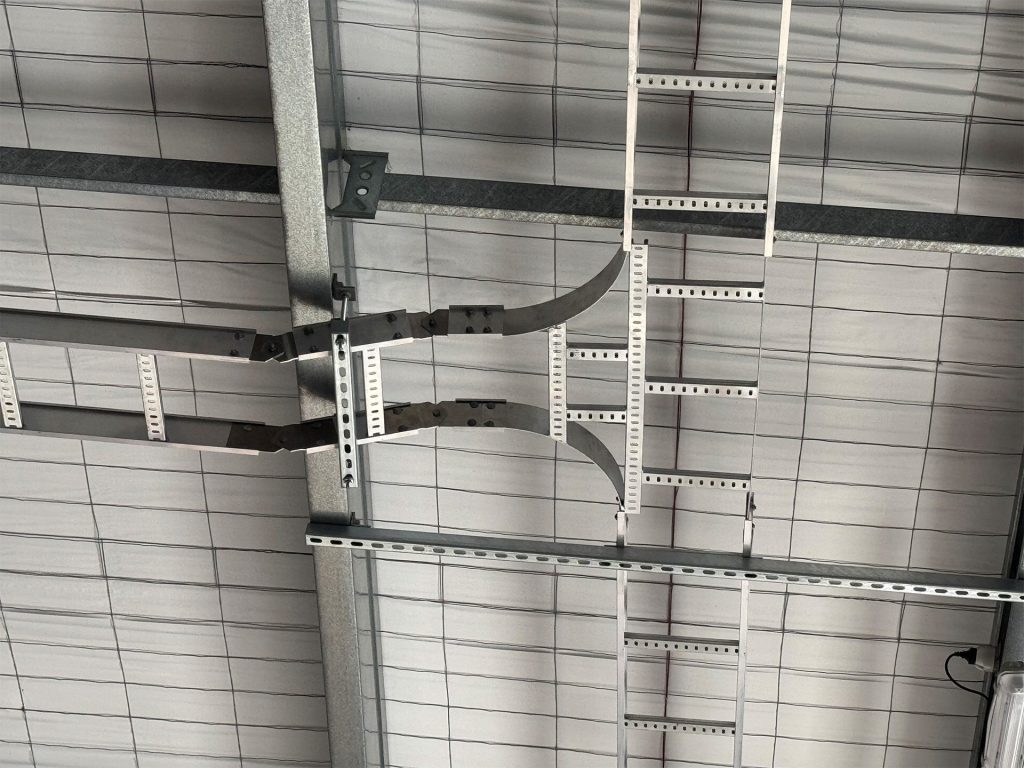
Reinforced side rails and strong rungs provide reliable support for heavy power cables and long-span industrial installations.
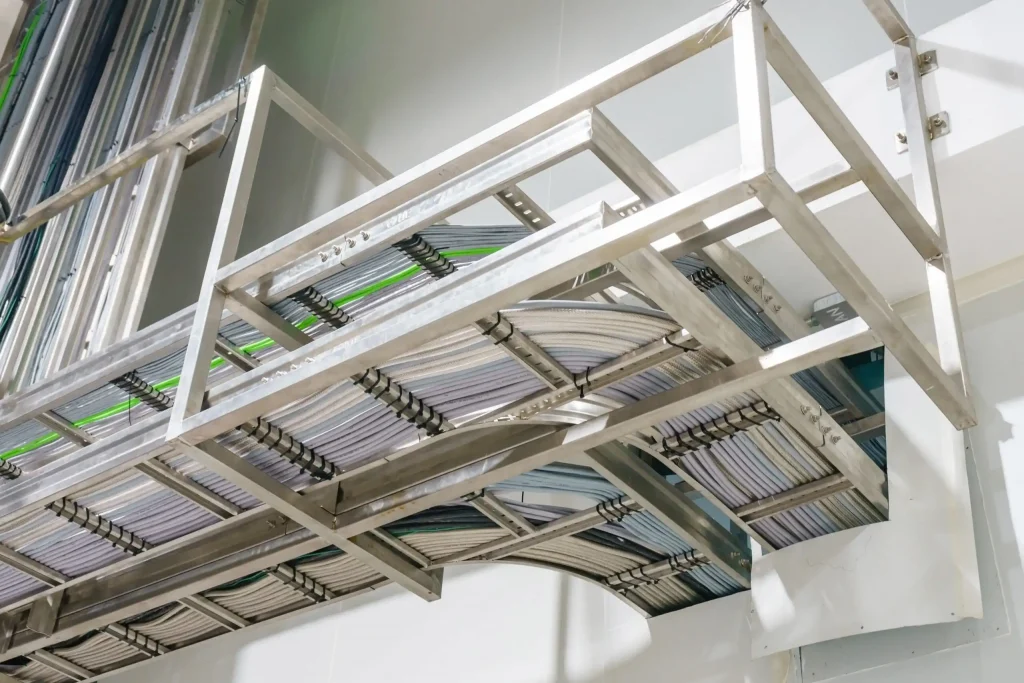
The open ladder structure allows better airflow around cables, helping reduce heat build-up during operation.
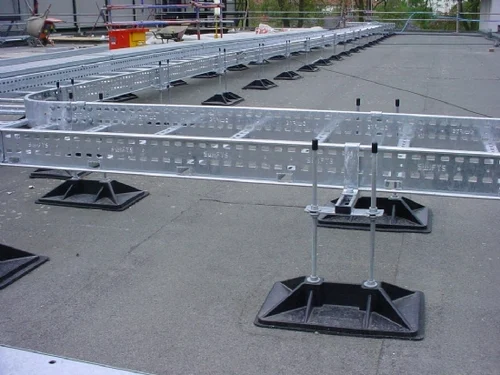
Perforated rungs and side rails provide convenient fixing points for cable ties, clamps and grounding accessories.
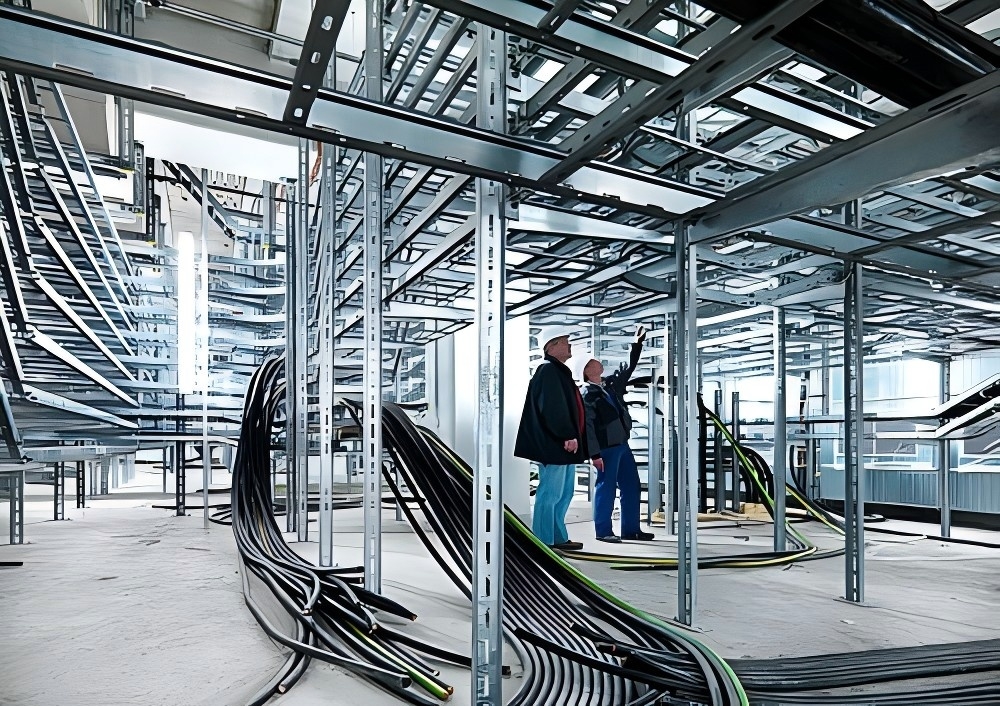
Width, height, material, surface finish, flange type, side rail perforation, rung profile and accessories can be customized for different installation requirements.
Reinforced side rails and strong rungs provide reliable support for heavy power cables and long-span industrial installations.
The open ladder structure allows better airflow around cables, helping reduce heat build-up during operation.
Perforated rungs and side rails provide convenient fixing points for cable ties, clamps and grounding accessories.
Width, height, material, surface finish, flange type, side rail perforation, rung profile and accessories can be customized for different installation requirements.
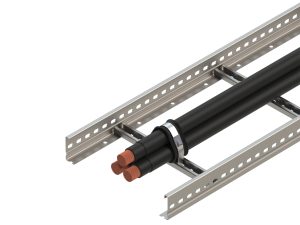
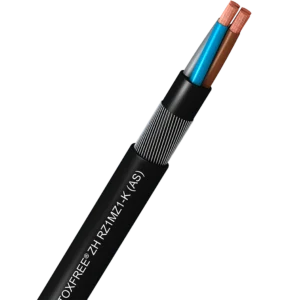
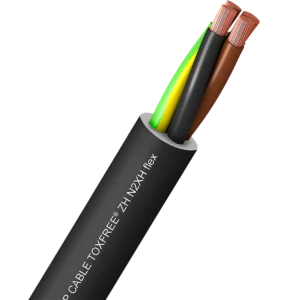

Resists crushing & impact damage

Reinforced Mechanical Protection

Built for Versatility and Durability in Fixed Armoured Applications

Quality You Can Trust – From an Industry Leader

Dedicated Technical Support Whenever You Need It

Excellence in Service, Mastery in Logistics.
Click a question to reveal the answer.
Yes. We provide custom cable ladder manufacturing according to your project drawings, product photos, videos, samples or technical specifications. Because cable ladder designs vary by project, load requirement, installation environment and local standards, we can adjust the structure to match your actual application.
The side rail can be customized with or without holes, including different hole shapes, hole sizes, hole spacing and hole arrangements. We can also customize whether the side rail requires reinforcing ribs, strengthening grooves or special structural reinforcements for higher load capacity and better rigidity.
The flange design can be made according to your required profile, such as inward return flange, outward return flange, straight flange, reinforced flange or other custom side rail shapes. The rung structure can also be customized, including plain rungs, perforated rungs, slotted rungs, C-type rungs, Z-type rungs, tubular rungs or other project-specific rung profiles.
In addition, we support customization of the material, surface finish and dimensions, including pre-galvanized steel, stainless steel, aluminum, powder coating HDG and other corrosion protection options. The length, width, height, side rail thickness, rung thickness and load duty can be produced according to your project requirements.
For accurate production, we recommend providing technical drawings, installation photos, product samples or videos. Our engineering team can review the structure and help confirm the most suitable cable ladder design for manufacturing, installation and long-term performance.
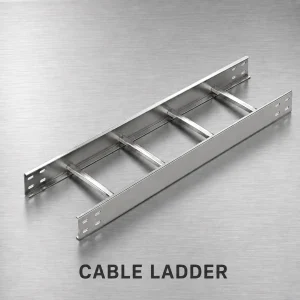
A cable ladder is an open cable support system made from two longitudinal side rails connected by transverse rungs. The structure is designed to support and route power cables, control cables, instrumentation cables and other electrical cables while keeping the cable run open for ventilation, inspection and cable fixing.
In cable ladder design, the side rails run in the length direction, and the rungs run across the width. This is why a cable ladder is stronger in the longitudinal direction than a light wire mesh tray or shallow perforated tray.
The side rail is the most important load-bearing part because it carries the main longitudinal bending load between supports. Cable weight is transferred from the cables to the rungs, then from the rungs into the two side rails, and finally into brackets, trapeze supports or floor supports.
A stronger side rail usually has a suitable combination of rail height, material thickness, flange geometry, section shape, and splice strength. The final load capacity should always be checked by the manufacturer’s tested load/span data, not by appearance alone.
The side rail flange increases the stiffness of the rail and helps resist bending, twisting, and local deformation. It can also create a safer cable-contact edge, provide a seating area for covers, and help align couplers or fittings. In some product data, the flange dimension is listed as a key structural characteristic, which shows that flange height is not decorative but part of the mechanical design.
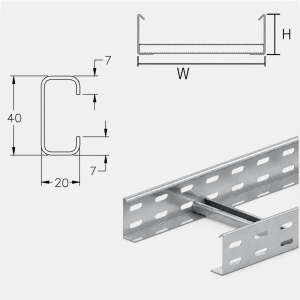
An inward return flange side rail is a cable ladder side rail where the upper edge is folded inward and finished with a small return lip. The lower edge also forms a short inward flange near the rung support area.
This structure is commonly used in compact cable ladder designs. The inward flange helps improve side rail stiffness, provides a smoother cable-contact edge, and helps keep the ladder section clean and efficient.
It is not an I-beam side rail. A more accurate description is a formed side rail with inward return flanges, or a C-type side rail with inward flange.
A C-type rung, also called a C-profile rung or C-channel rung, is a formed cable ladder rung with a C-shaped cross-section. The profile uses a tall vertical web with short upper and lower return lips, giving the rung better bending stiffness than a flat strip of the same material thickness.
This rung profile is used across the width of the cable ladder to support cables and transfer load into the side rails. The open C shape also helps reduce weight while keeping the section rigid.
A Z-type side rail uses an offset folded profile with two horizontal flanges connected by a vertical step. This structure is useful for offset mounting, overlapping joints, and special cable ladder connection designs.
An inward-facing flange can make the ladder more compact and create a protected internal edge for cables. It may also help keep cable loading within the ladder width and provide better stiffness for a formed channel section. Some ladder designs specifically use flange-in construction for compact welded ladder systems.
An outward-facing flange may provide easier external access for couplers, brackets, covers, clamps, or installation hardware. It can also be used in special rail profiles where the top flange needs to clear the internal cable space. Some Z-channel side rail specifications require the upper flange to turn outward, showing that flange direction depends on the rail profile and installation purpose.
Neither design is always better. Inward flange designs are more compact, while outward flange designs keep the cable space more open. The best choice depends on cable diameter, installation access, cover design, splice plate design and load requirement.
Common rung designs include round rungs, square tubular rungs, channel rungs, slotted rungs, low-profile rungs, and alternating rungs. The rung shape affects cable bearing surface, cable fixing options, bending strength, weight, and compatibility with cable cleats or clamps.
Cable ladder rung spacing is not limited to one standard value. Common metric options include 150 mm, 225 mm, 250 mm, 300 mm, 450 mm, and about 600 mm, depending on the manufacturer, project specification, load requirement, and cable size. A 300 mm spacing is widely used in many metric cable ladder systems. Smaller spacing provides more continuous cable support, while larger spacing can reduce ladder weight and material cost.
A cable ladder cover is a protective sheet fitted over the ladder to shield cables from sunlight, rain, dust, falling objects and accidental contact. Covers can be flat, peaked, ventilated or heavy-duty, and are normally fixed over the side rails with suitable clips or hold-down accessories.
A peaked cover has a raised center and downturned edges. It helps water, dust, or snow drain off more easily than a flat cover, making it suitable for outdoor cable ladder routes.
A divider is a longitudinal partition installed inside a cable ladder to separate different cable groups, such as power cables, control cables, signal cables, or communication cables. It helps improve cable organization and can reduce interference between different cable types.
Each rung should be capable of supporting the required cable load and additional concentrated load according to the applicable test requirement. One specification states that each rung must support the maximum cable load with a safety factor of 1.5 and a 200 lb concentrated load when tested according to NEMA VE 1.
The difference is mainly the tested load capacity over a defined support span. Light-duty ladders are used for smaller cable loads or shorter spans. Medium-duty ladders are used for general commercial and industrial routes. Heavy-duty ladders are used for power cables, long runs, large spans, and industrial environments.
Load/span class states how much uniformly distributed load a ladder can carry over a defined support span. For example, NEMA-style classes relate load rating to spans such as 8 ft, 12 ft, 16 ft, or 20 ft, while harmonized standards also include metric spans such as 3 m and 6 m. Buyers should always check the manufacturer’s tested safe working load table instead of selecting by appearance only.
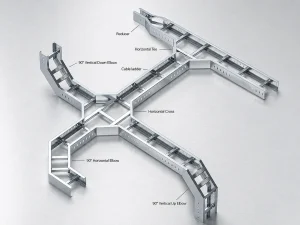
Typical cable ladder accessories include straight couplers, splice plates, expansion joints, horizontal bends, inside risers, outside risers, tees, crosses, reducers, covers, dividers, hold-down brackets, wall brackets, cantilever arms, floor supports, cable outlets, bonding connectors, earth continuity connectors, cable clamps, and cable cleats. These accessories should be selected according to ladder size, finish, load class, route direction, and installation environment.
Common cable ladder materials include pre-galvanized steel, hot-dip galvanized steel after fabrication, stainless steel 304, stainless steel 316, aluminum. Material selection depends on load requirement, corrosion environment, weight, grounding requirement, and project specification.
Pre-galvanized steel is galvanized before fabrication, usually from coated steel coil or sheet. Hot-dip galvanized after fabrication means the formed ladder components are galvanized after manufacturing. Hot-dip galvanized after fabrication can provide thicker coating coverage, but specifications may require inspection and removal of excess zinc or sharp zinc build-up to prevent cable damage or installer injury.
A professional cable ladder specification should include material, finish, width, side rail height, loading depth, side rail profile, flange direction, rung type, rung spacing, load/span class, support span, coupler type, accessory requirements, grounding/bonding requirement, and applicable standard. For international projects, common references include IEC 61537, NEMA VE 1, NEMA VE 2, CSA C22.2 No.126.1, and local electrical code requirements.
Shorter rung spacing provides:
Longer rung spacing provides:
The correct rung spacing should match the cable diameter, cable weight, bending behavior, installation span, and project specification.