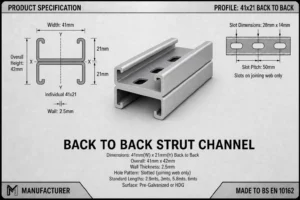
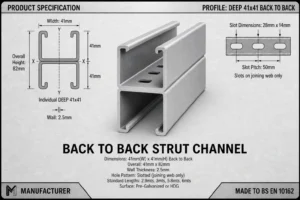
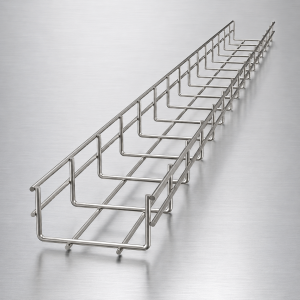
Back-to-Back Strut Channel 41x42mm
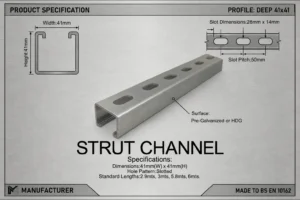
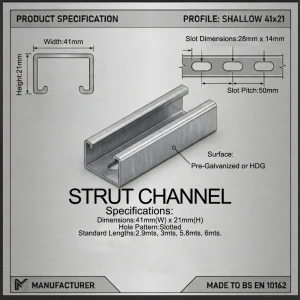
Strut Channel 41x21mm engineered for reliable power and signal transmission.

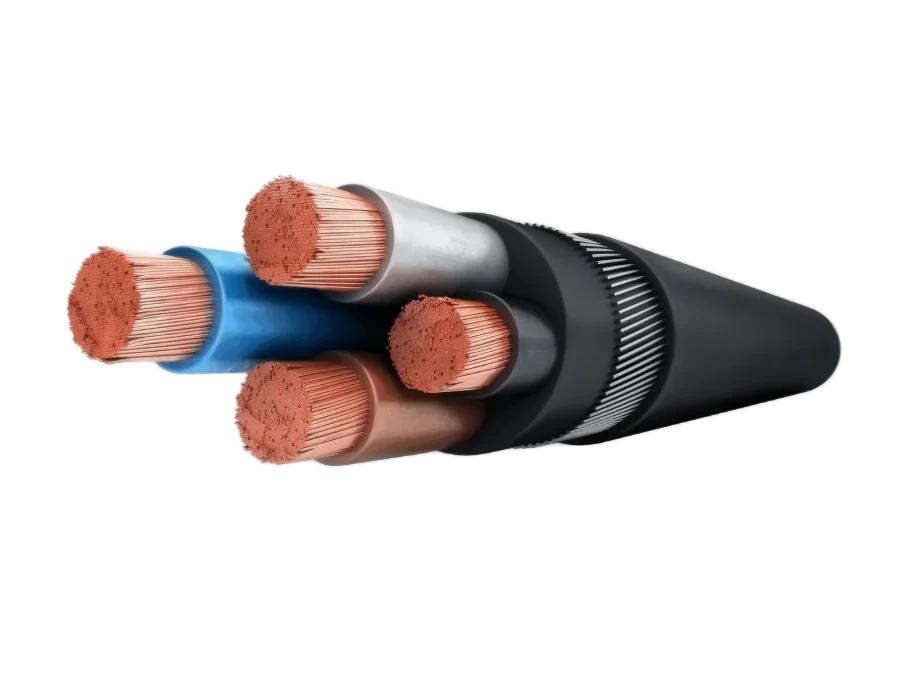
Aluminium Wire Armoured (AWA) and Steel Wire Armoured (SWA) cables are engineered for power installations that demand robust mechanical protection. The armour layer provides essential reinforcement against mechanical stress, making these cables ideal for direct burial, outdoor, and underground applications where damage risk is high.
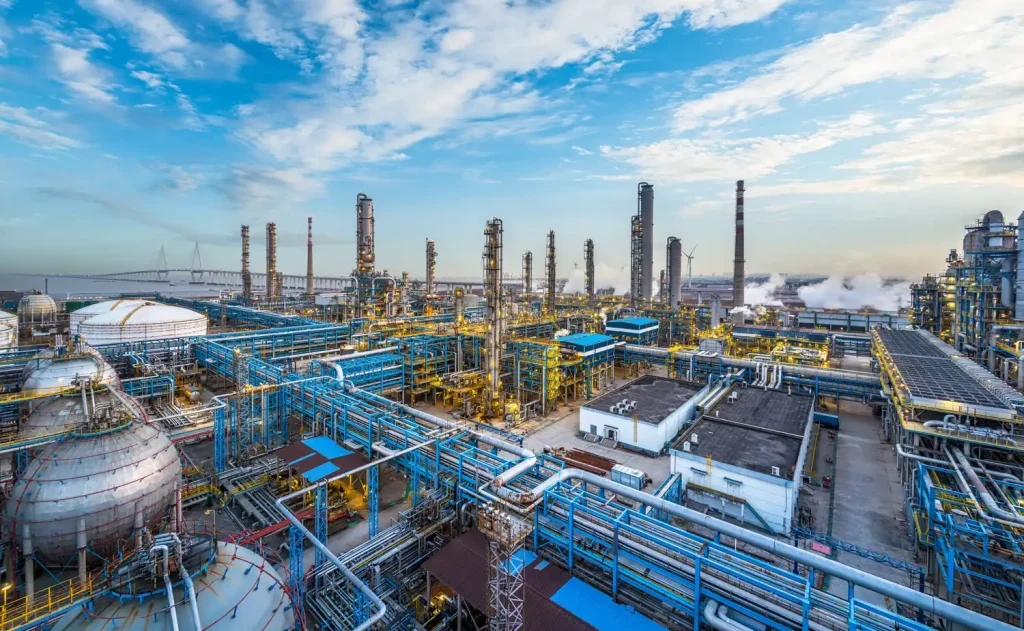
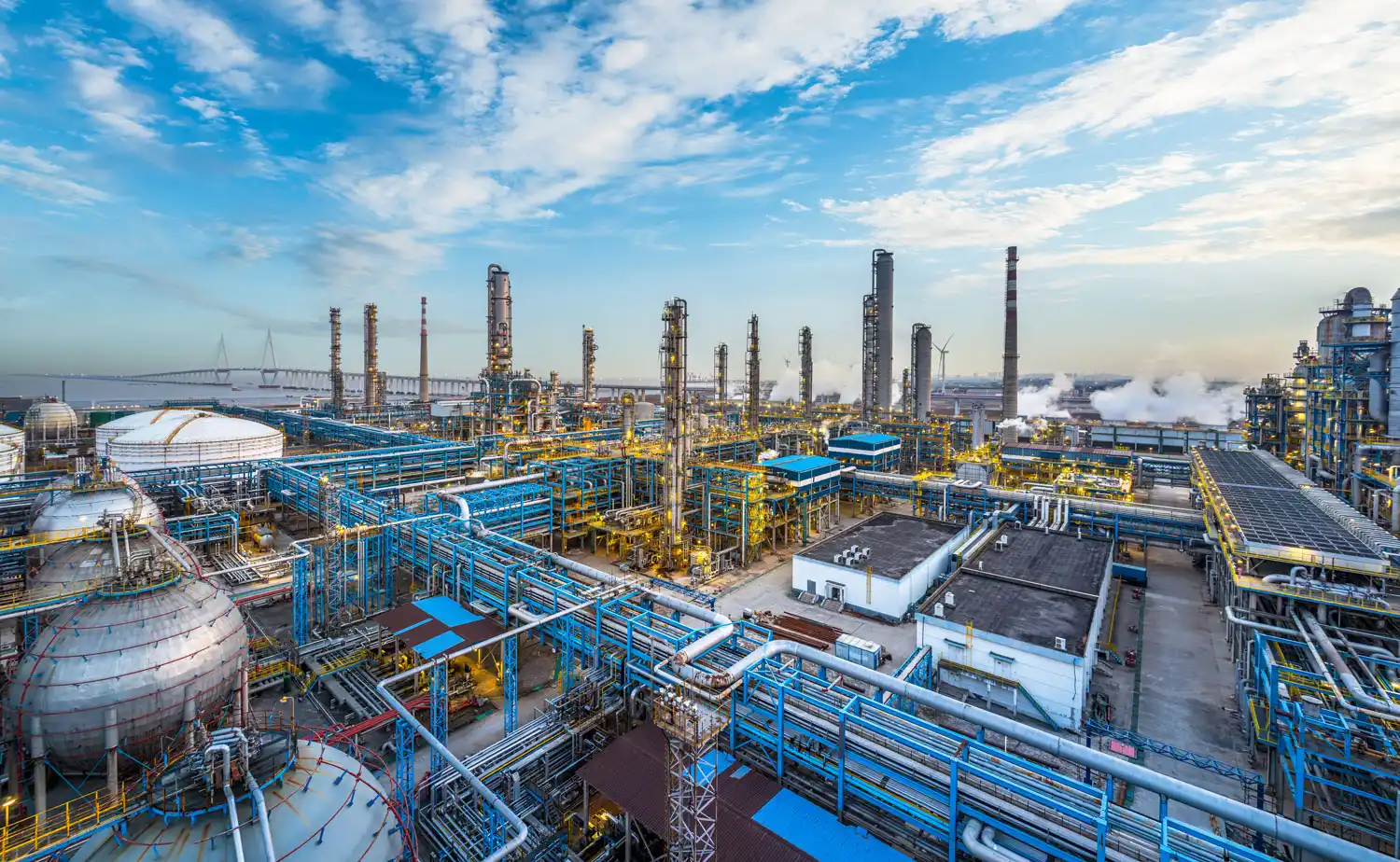
AWA/SWA armoured cables prevent induced currents while providing mechanical protection against stress, impacts, and high pulling loads. Ideal for direct burial, outdoor, and rodent-prone installations, they ensure reliable power transmission in harsh industrial environments like plants and refineries.
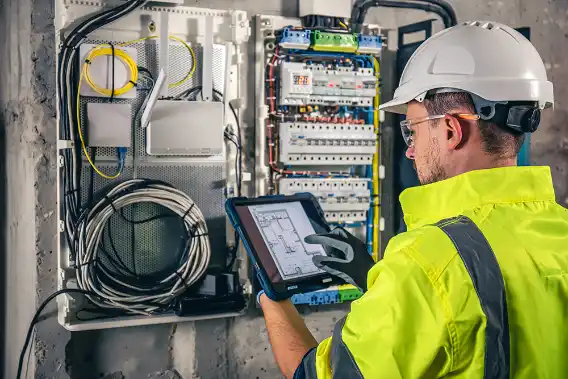
Built for construction sites, AWA/SWA armoured cables provide essential mechanical protection against heavy loads, impacts, and rodents. Perfect for temporary power, lighting, and equipment wiring, they meet all safety standards for reliable performance in harsh environments.

Designed for outdoor lighting, AWA/SWA armoured cables withstand weather, UV, rodents, and impacts. Perfect for streetlights and perimeter lighting, they ensure durable, reliable power delivery while meeting all relevant international standards.
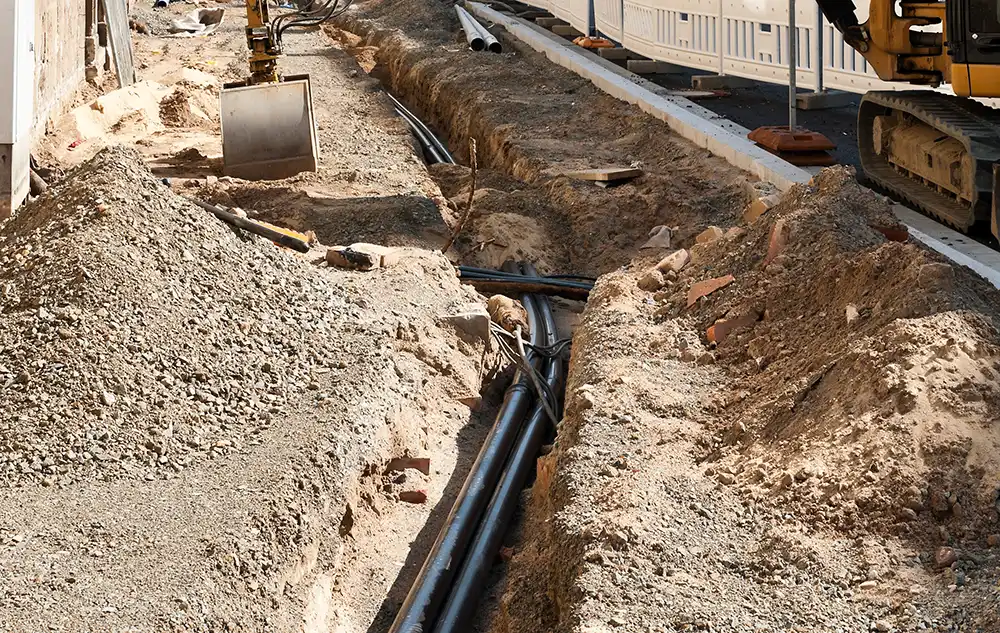
Designed for direct burial, AWA/SWA armoured cables deliver rugged protection against mechanical stress, rodents, and high pulling loads. With durable aluminium/steel armour, they ensure uninterrupted power transmission in demanding environments such as industrial plants, refineries, and critical infrastructure.
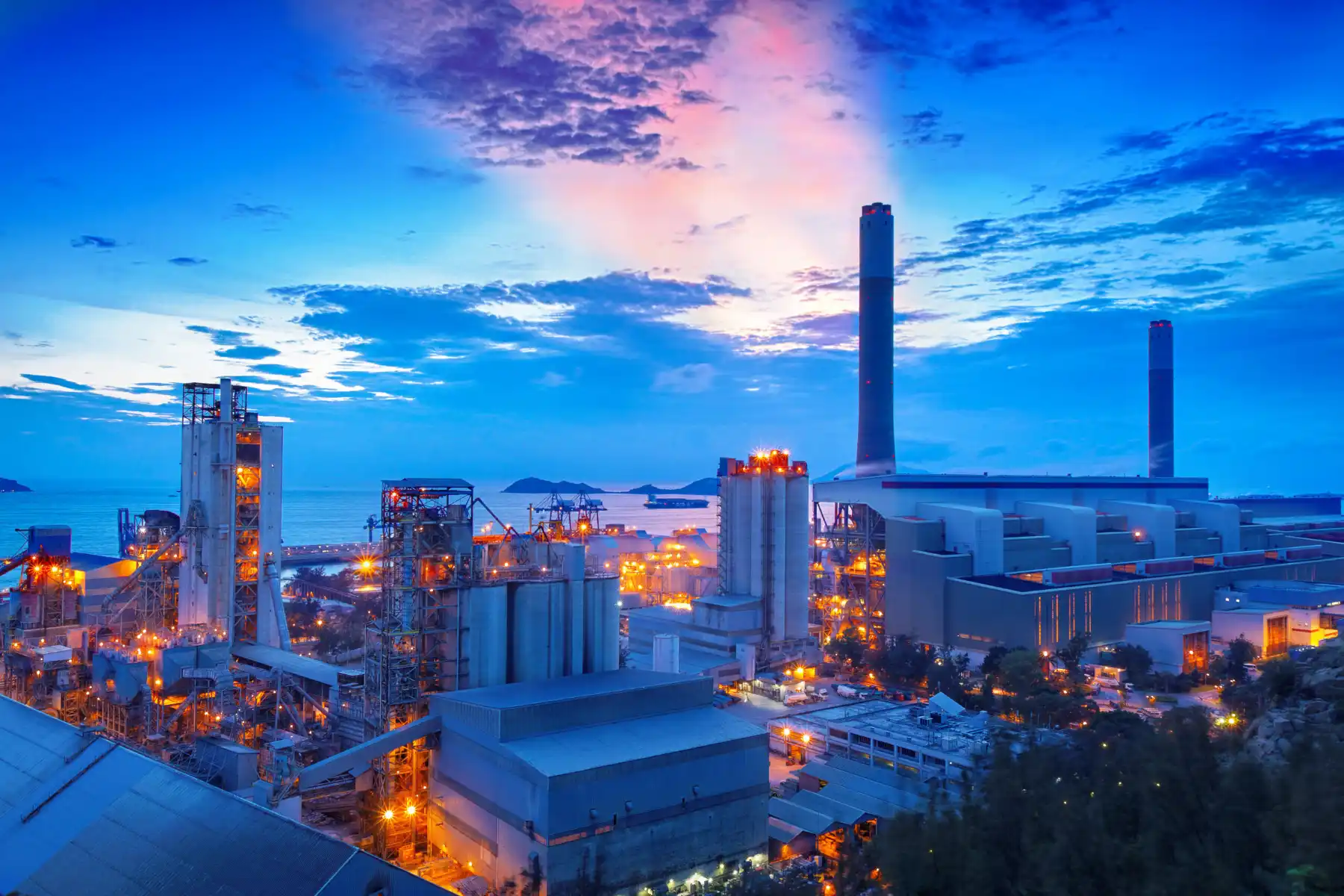
AWA (Aluminum Wire Armored) and SWA (Steel Wire Armored) cables are engineered to deliver robust and reliable power transmission within power generation facilities. Designed to endure extreme mechanical stress, high temperatures, and corrosive environments, these cables feature a rugged steel or aluminum armor layer that provides essential mechanical protection and safeguards against rodent damage for both underground and exposed installations. This durable construction ensures an uninterrupted power supply to turbines, substations, and other critical generation infrastructure where operational reliability is paramount.
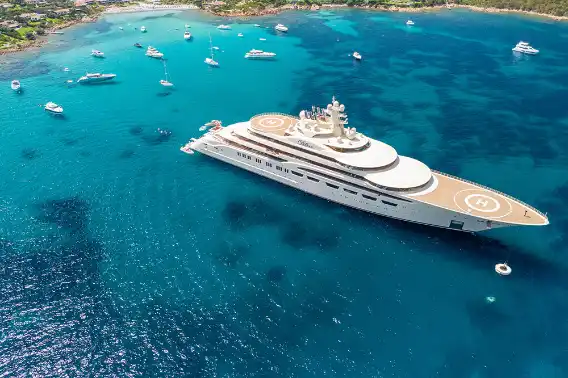
AWA/SWA armoured cables provide rugged, fire-resistant power solutions for marine environments—withstanding corrosion and mechanical stress on shipboard systems and port infrastructure.
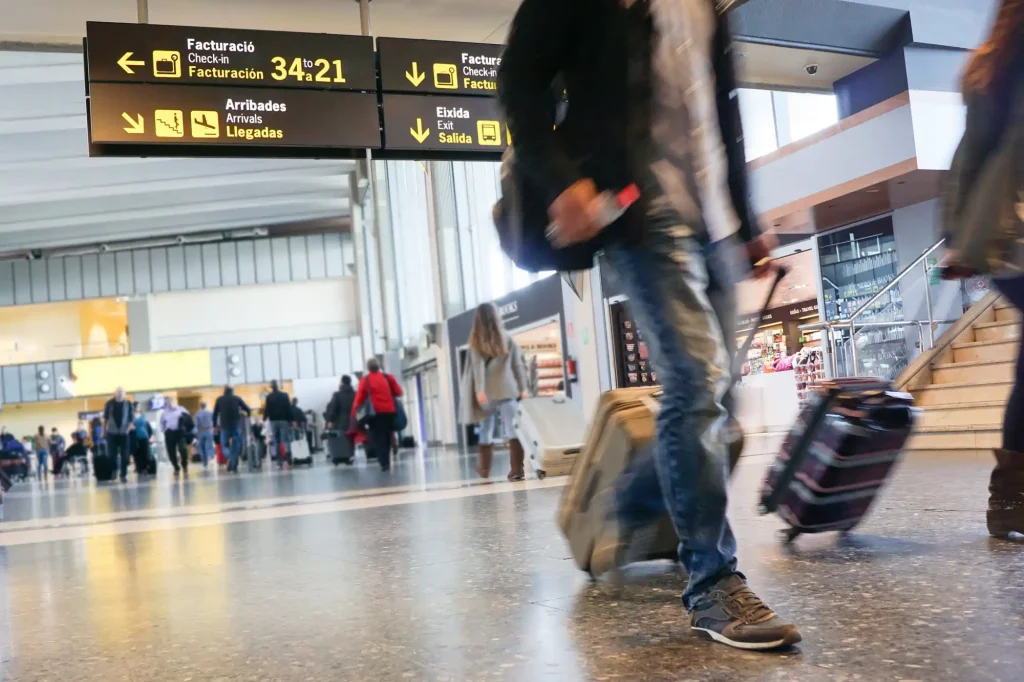
Aluminium Wire Armour (AWA) and Steel Wire Armoured (SWA) cables deliver reliable power distribution for transportation hubs, offering robust mechanical and rodent protection for direct burial, outdoor, and underground installations. Designed for demanding environments such as airports, rail terminals, ports, and other high-demand transportation facilities, these cables ensure long-lasting performance and operational continuity.
AWA/SWA armoured cables prevent induced currents while providing mechanical protection against stress, impacts, and high pulling loads. Ideal for direct burial, outdoor, and rodent-prone installations, they ensure reliable power transmission in harsh industrial environments like plants and refineries.
Built for construction sites, AWA/SWA armoured cables provide essential mechanical protection against heavy loads, impacts, and rodents. Perfect for temporary power, lighting, and equipment wiring, they meet all safety standards for reliable performance in harsh environments.
Designed for outdoor lighting, AWA/SWA armoured cables withstand weather, UV, rodents, and impacts. Perfect for streetlights and perimeter lighting, they ensure durable, reliable power delivery while meeting all relevant international standards.
Designed for direct burial, AWA/SWA armoured cables deliver rugged protection against mechanical stress, rodents, and high pulling loads. With durable aluminium/steel armour, they ensure uninterrupted power transmission in demanding environments such as industrial plants, refineries, and critical infrastructure.
AWA (Aluminum Wire Armored) and SWA (Steel Wire Armored) cables are engineered to deliver robust and reliable power transmission within power generation facilities. Designed to endure extreme mechanical stress, high temperatures, and corrosive environments, these cables feature a rugged steel or aluminum armor layer that provides essential mechanical protection and safeguards against rodent damage for both underground and exposed installations. This durable construction ensures an uninterrupted power supply to turbines, substations, and other critical generation infrastructure where operational reliability is paramount.
AWA/SWA armoured cables provide rugged, fire-resistant power solutions for marine environments—withstanding corrosion and mechanical stress on shipboard systems and port infrastructure.
Aluminium Wire Armour (AWA) and Steel Wire Armoured (SWA) cables deliver reliable power distribution for transportation hubs, offering robust mechanical and rodent protection for direct burial, outdoor, and underground installations. Designed for demanding environments such as airports, rail terminals, ports, and other high-demand transportation facilities, these cables ensure long-lasting performance and operational continuity.
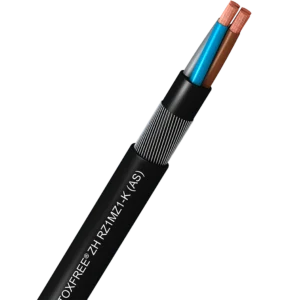
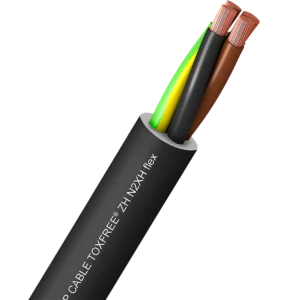

Resists crushing & impact damage

Reinforced Mechanical Protection

Built for Versatility and Durability in Fixed Armoured Applications

Quality You Can Trust – From an Industry Leader

Dedicated Technical Support Whenever You Need It

Excellence in Service, Mastery in Logistics.
Click a question to reveal the answer.
The main differences between Chinese and international armoured cable names come from different naming systems, cable standards, and structure descriptions.
In Chinese cable catalogues, armoured cables are often named by model code or cable structure. Common names include YJV22, YJLV22, YJV32, YJLV32, VV22, VLV22, Cu/XLPE/STA/PVC, Al/XLPE/STA/PVC, Cu/XLPE/SWA/PVC, and Al/XLPE/SWA/PVC. For example, YJV22 usually refers to copper conductor XLPE insulated steel tape armoured PVC sheathed power cable, while YJLV22 usually refers to the aluminium conductor version.
In international markets, buyers more often search by armour type, application, or standard. Common names include SWA cable, steel wire armoured cable, AWA cable, aluminium wire armoured cable, STA cable, steel tape armoured cable, XLPE/SWA/PVC cable, LSZH armoured cable, BS 5467 armoured cable, BS 6724 armoured cable, IEC 60502 armoured cable, direct burial cable, and underground armoured cable.
Although the names are different, the cables can still be used in international projects if the cable construction, voltage rating, conductor material, insulation, sheath, armour type, testing requirements, and applicable standards match the project specification. Just like different languages used in different countries, cable names may vary from one market to another, but they can refer to the same or equivalent cable structure when the technical requirements are aligned. Buyers should compare the technical datasheet, cable structure, standard, application, and certification requirements instead of comparing product names only.
Armoured cables are electrical cables with an additional metallic armour layer designed to improve mechanical protection. The armour helps protect the cable against impact, compression, pulling stress, accidental damage, and demanding installation conditions.
They are commonly used for underground power distribution, direct burial, outdoor wiring, industrial plants, substations, construction sites, commercial buildings, cable ducts, tunnels, and other applications where non-armoured cables may not provide enough protection. BS 5467 SWA cable is commonly described as a hard-wearing power cable with mechanical protection for mains electricity supply, suitable for indoor, outdoor, duct, and direct burial applications.
Common armoured cable types include SWA cable, AWA cable, STA cable, XLPE armoured cable, PVC armoured cable, LSZH armoured cable, low voltage armoured cable, medium voltage armoured cable, armoured control cable, and underground armoured power cable.
From a structure point of view, armoured cables are usually identified by the armour material and cable construction. SWA cable uses steel wire armour and is widely used for multi-core power cables requiring strong mechanical protection. AWA cable uses aluminium wire armour and is commonly used for single-core AC cables because aluminium is non-magnetic. STA cable uses steel tape armour and is often selected for fixed or buried applications where radial pressure or impact protection is important, but high tensile pulling force is not the main requirement. Technical comparisons often explain STA and SWA by their armour form: flat steel tape versus round steel wire.
SWA cable means Steel Wire Armoured Cable. It is one of the most widely used armoured cable types for fixed power distribution where strong mechanical protection is needed.
A typical SWA cable may include copper or aluminium conductors, XLPE or PVC insulation, bedding, galvanized steel wire armour, and PVC or LSZH outer sheath. It is commonly used for mains power distribution, industrial installations, outdoor wiring, underground cable routes, power stations, commercial buildings, and infrastructure projects.
BS 5467 SWA cables are commonly used for industrial wiring and mains distribution, and may be installed clipped directly to a surface, on tray, in basket, in free air, directly in the ground, in ducts, or embedded in concrete when the installation conditions are suitable.
The main difference is the armour material and the type of mechanical protection each design provides.
SWA cable uses steel wire armour. It provides strong mechanical protection and better tensile strength, making it suitable for multi-core armoured power cables, industrial power distribution, underground routes, outdoor fixed wiring, and installations where pulling stress may be involved.
AWA cable uses aluminium wire armour. It is commonly used for single-core AC cables because aluminium is non-magnetic, helping reduce magnetic losses and heating problems that may occur if steel armour is used around single-core AC conductors.
STA cable uses steel tape armour. It provides good protection against compression and external mechanical damage, and is often used for direct burial, ducts, tunnels, and fixed installations where radial pressure is more important than tensile strength. STA is usually not preferred for applications requiring high pulling force. Professional armoured cable guides commonly distinguish SWA and AWA by armour material, weight, magnetic behavior, and suitable cable core configuration.
AWA cable is often used for single-core armoured cables because aluminium wire armour is non-magnetic. In single-core AC cable systems, the current creates a magnetic field around the conductor. If magnetic steel armour is used, induced currents may occur in the armour layer, which can cause additional heating and energy loss.
Using aluminium wire armour helps reduce this risk while still providing mechanical protection. This is why single-core armoured power cables commonly use AWA, while multi-core armoured cables more often use SWA.
Technical discussions on single-core cables explain that induced currents can occur in metallic sheaths or armour, and these currents may create losses and heating depending on bonding, earthing, and cable arrangement. For this reason, non-magnetic armour is commonly preferred for single-core AC armoured cable designs.
The main advantage of armoured cables is strong mechanical protection. The armour layer helps protect the cable from impact, crushing, penetration, accidental damage, and pulling stress during installation. This makes armoured cables suitable for construction sites, factories, outdoor installations, underground routes, and other demanding environments.
Armoured cables may also reduce the need for extra mechanical protection in some installations, depending on local rules and project design. However, they are usually heavier, less flexible, larger in diameter, and more costly than non-armoured cables. They also require proper cable glands, earthing or bonding, bending radius control, and qualified installation.
Professional armoured cable guides often group the benefits around mechanical protection, durability, safety, and suitability for industrial, infrastructure, public building, and renewable energy installations.
The main difference is the outer sheath material and fire performance.
PVC armoured cable is widely used for general power distribution, industrial wiring, outdoor applications, and underground installations because PVC provides practical mechanical and environmental protection for many standard projects.
LSZH armoured cable, also called LSOH armoured cable or low smoke zero halogen armoured cable, is designed to reduce smoke and corrosive halogen gas emissions during fire. It is commonly selected for public buildings, hospitals, airports, rail systems, tunnels, data centers, commercial buildings, and other locations where people, equipment, or evacuation routes need additional fire-safety consideration.
BS 6724 is commonly used for thermosetting insulated armoured cables with low smoke and corrosive gas emission performance for fixed installations in industrial areas, buildings, or similar applications.
Yes. Armoured cables normally require suitable cable glands, earthing, bonding, and termination accessories to ensure safe and reliable installation.
For SWA cables, the gland should properly grip the armour and provide mechanical strain relief, environmental sealing, and earth continuity where required. The metallic armour may need to be connected to the earthing system according to local electrical rules and project design.
Technical gland selection guides commonly explain that SWA cable glands must clamp onto the armour and that BW and CW glands are commonly selected depending on indoor or outdoor conditions. The final installation method should always follow local electrical codes, project specifications, and qualified electrician requirements.
Low voltage armoured cables are commonly used for building power supply, industrial distribution, outdoor wiring, sub-main circuits, and general fixed power installations. Typical low voltage armoured cables may follow standards such as BS 5467, BS 6724, or IEC 60502-1, depending on the market and project requirement.
Medium voltage armoured cables are used for power distribution networks, substations, utilities, industrial plants, renewable energy systems, and infrastructure projects where higher voltage levels are required. They usually have more complex construction, such as conductor screen, XLPE insulation, insulation screen, metallic screen, bedding, armour, and outer sheath.
IEC 60502-2 covers medium voltage extruded insulated cables and defines different constructions, materials, voltage ratings, and testing requirements for generation networks, distribution networks, and some transmission-related applications.
Customers should consider the installation environment, voltage rating, conductor material, number of cores, armour type, sheath material, fire performance, mechanical stress, bending radius, cable route, earthing method, and local electrical regulations.
For underground or direct burial installation, customers should check whether the cable needs additional moisture protection, ducting, warning tape, sand bedding, or stronger mechanical protection. For indoor public areas, LSZH sheath may be more suitable than PVC. For single-core AC systems, AWA is usually more appropriate than SWA. For installation, the cable should not be bent below the manufacturer’s recommended minimum bending radius, because excessive bending can damage the insulation, sheath, or armour layer. Installation guidance for SWA cables emphasizes respecting minimum bending radius and avoiding sharp bends during routing.