

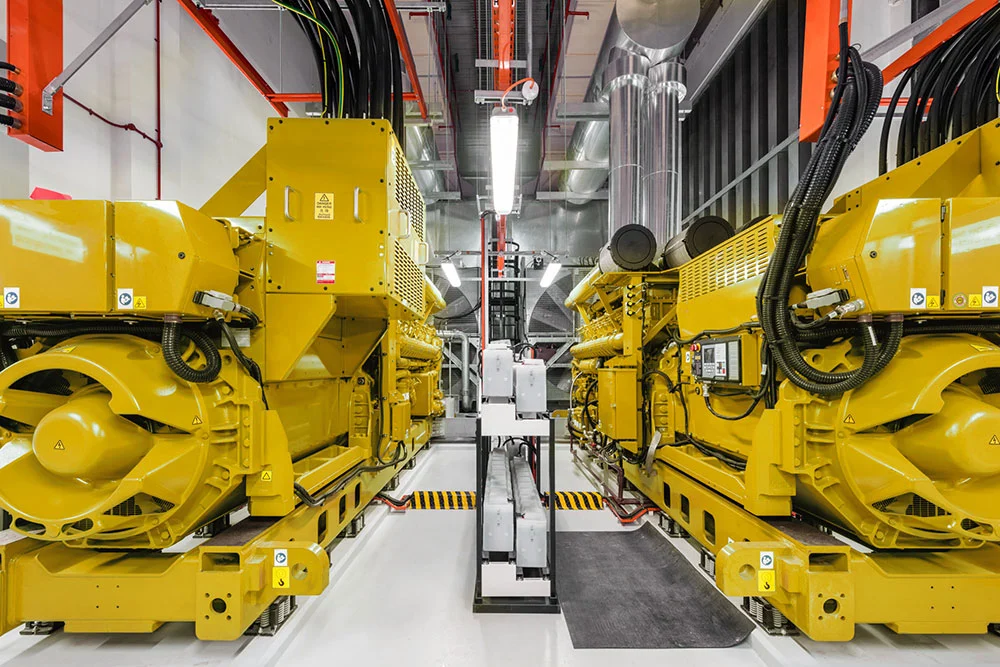
Suitable cables for upgrading the electrical installation
Suitable cables for upgrading electrical installations are construction products designed to enhance fire safety and operational reliability in accordance with the EU Construction Products Regulation (EU) No 305/2011. Chinne Electric supplies CPR-certified cables with a valid Declaration of Performance indicating their Euroclass reaction-to-fire rating, which helps mitigate the risk of electrical fires causing over 273,000 home fires annually in Europe.
Explore related solutions on our site: Knowledge hub, What types of cables should I use for fixed wiring inside walls durin…, Why is the CPR classification critical when selecting cables for an e….
“`html
Key Takeaways
- Electrical faults cause over 273,000 home fires annually in Europe alone, and more than 46,000 in the United States.
- Upgrading your domestic wiring with CPR‑certified cables significantly reduces fire risk and improves overall energy safety.
- Always select cables based on the specific installation environment: indoor, outdoor, fixed wiring behind walls or flexible connections to appliances.
- Look for the CE mark, a valid Declaration of Performance (DoP) and the CPR classification (Euroclass) to ensure compliance with EU Regulation (EU) No 305/2011.
- Consult a qualified electrician to assess your existing installation and recommend the most suitable cable types.
The Hidden Risk: Electrical Fires in the Home
Domestic electrical installations often remain untouched for decades, yet the number of connected devices continues to grow. Ageing wiring, overloaded circuits and substandard materials create the perfect conditions for electrical failure. The consequences are stark. A comprehensive European study by the Forum for European Electrical Domestic Safety (FEEDS) – Residential Electrical Safety – found that, on average, more than 273,000 house fires per year across Europe are caused by electrical faults. The highest incidence occurs in the North‑West region (including France, Germany, Ireland and the United Kingdom), with Southern Europe ranking second.
Similarly, the National Fire Protection Association (NFPA) report Home Fires Caused by Electrical Failure or Malfunction shows that, although the number of electrical fires in the United States has declined over the past three decades, 46,000 such fires were still recorded in 2019, resulting in an estimated 390 deaths. These figures underscore a universal truth: the right wiring is not a luxury – it is a fundamental safety requirement.
Why Now Is the Right Time to Upgrade
Every year that passes without an inspection increases the likelihood of insulation degradation, loose connections and outdated circuit protection. Upgrading your home’s electrical infrastructure is not only a proactive step against fire but also an opportunity to enhance energy efficiency and support modern smart‑home equipment. In the European Union, all cables intended for permanent installation in buildings must now comply with the Construction Products Regulation (CPR) – Regulation (EU) No 305/2011 – together with the harmonised standard EN 50575. This regulation requires cables to be classified for fire performance (Euroclasses from Aca to Fca) based on flame spread, heat release, smoke production and flaming droplets.
At Chinne Electric, every cable in our renovation range carries the required CE marking and is supported by a publicly available Declaration of Performance (DoP). This guarantees that you are installing a product that has been independently tested and meets the highest safety benchmarks. Whether you are re‑wiring a single room or undertaking a whole‑house renovation, choosing CPR‑certified cables is your first line of defence in the event of a fire.
Choosing the Right Cables: A Practical Guide
Not all cables are the same. The selection depends on where and how the cable will be installed, the electrical load it must carry, and the level of fire protection required. Below are the principal cable types recommended for domestic upgrades, all of which are available through Chinne Electric’s catalogue.
-
Flexible single‑core PVC cables (H05V‑K / H07V‑K)
Designed for fixed, protected installations inside conduit or trunking. These cables are ideal for lighting circuits, power socket wiring and the internal connections of electrical appliances. Their fine‑stranded conductors make them easy to pull through tight spaces, reducing installation time. Standards: IEC 60227-3 (PVC insulation), EN 50575 (CPR). -
Halogen‑free flexible single‑core cables (ES05Z1‑K / H07Z1‑K AS)
A low‑smoke zero‑halogen (LSZH) alternative to standard PVC cables. In a fire, they emit no corrosive gases and minimal smoke, easing evacuation and protecting sensitive equipment. They are perfectly suited for bedrooms, living areas and high‑occupancy spaces where personal safety is paramount. Euroclass: typically B2ca‑s1a,d1,a1 or Cca‑s1b,d1,a1 according to EN 50575. -
Sheathed flexible power cables (RV‑K / RZ1‑K AS)
These cables include a tough outer sheath that provides mechanical protection and UV resistance, making them suitable for both indoor and outdoor applications. Use them for connecting air conditioning units, heat pumps, outdoor lighting and power outlets in garages or basements. The halogen‑free version (RZ1‑K AS) meets the highest safety requirements for public buildings and residential escapes routes. Reference standards: IEC 60502-1, EN 50575.
Practical Steps Before You Begin
Before ordering cables, follow this straightforward checklist to ensure a safe and compliant upgrade:
- Have your installation surveyed by a registered electrician. They will verify the condition of the existing wiring, the capacity of the consumer unit and the earthing arrangement.
- Define the cable routing. Identify which cables will run in walls, conduit, or outdoors. For concealed runs, use sheathed or double‑insulated cables to prevent damage during plastering.
- Check the CPR class required by your national building code. Many EU member states now mandate a minimum Euroclass for cables in residential buildings – often Cca‑s1,d1,a1 or higher.
- Always request the Declaration of Performance. Any reputable supplier, including Chinne Electric, will provide this document together with the delivery.
- Size cables correctly. The conductor cross‑section must match the circuit breaker rating and the expected load. An electrician will calculate this based on local regulations (e.g., IEC 60364 series).</
Related resources
On this site
- Knowledge hub
- What types of cables should I use for fixed wiring inside walls durin…
- Why is the CPR classification critical when selecting cables for an e…
- Is it safe to use the same cable for both indoor and outdoor parts of…
- What do the CE mark and the Declaration of Performance (DoP) tell me …
- How do I determine the correct conductor cross-section for cables in …
Authoritative sources
- EU Regulation (EU) No 305/2011 (Construction Products Regulation)
- EN 50575
- IEC 60364-5-52
- HD 60364-5-52
FAQs
Click a question to reveal the answer.
For concealed fixed wiring in walls, building wires such as H07V-U or H07V-R with a thermoplastic PVC insulation are commonly used. However, to enhance fire safety, always choose cables with a Construction Products Regulation (CPR) Euroclass of at least Eca, though B2ca or Cca offer significantly better reaction to fire performance. These cables must meet EN 50575 and carry a CE mark along with a valid Declaration of Performance (DoP) that confirms their flame propagation, smoke production and flaming droplet characteristics, ensuring compliance with EU Regulation (EU) No 305/2011.
The CPR classification, defined in EU Regulation (EU) No 305/2011, establishes a common framework for assessing the reaction to fire of construction products, including electrical cables. It introduces Euroclasses from Aca (non-combustible) to Fca (no performance determined), evaluating heat release, flame spread, smoke opacity and acidity, and flaming droplets. Using cables with a higher CPR class (e.g., Cca-s1,d1,a1) directly reduces the risk of fire propagation through cable routes in buildings, giving occupants more time to evacuate and limiting property damage, which is why many national wiring codes now mandate minimum CPR levels.
No, cables are designed for specific environmental conditions and using an indoor-rated cable outdoors can lead to premature failure and safety hazards. Outdoor installations require cables with UV resistance, enhanced moisture protection and often a tougher overall sheath. For fixed outdoor wiring, types like NYY or heavy-duty armored cables are suitable; for flexible connections in damp areas, H07RN-F rubber cables offer high flexibility and water resistance. Selection must also follow the installation method requirements detailed in HD 60364-5-52 to guarantee long-term reliability without insulation degradation.
The CE mark on a cable indicates that the manufacturer declares conformity with applicable EU harmonised standards, such as those for low voltage cables under the CPR. The Declaration of Performance (DoP) is a mandatory document listing the cable’s declared essential characteristics, including its CPR Euroclass, smoke, acidity and flaming droplet classifications. It legally binds the manufacturer to the stated performance and provides traceability for compliance checks. When upgrading an installation, always request the DoP, as reputable suppliers like Chinne Electric supply this documentation to give you full confidence in the cable’s fire safety credentials.
Cable sizing depends on the expected load current, maximum permissible voltage drop, and the installation method, which affects heat dissipation. As a general rule under IEC 60364-5-52, lighting circuits typically require a minimum of 1.5 mm² copper conductors, while socket outlet circuits need at least 2.5 mm², but these sizes may need to be increased for long cable runs or when cables are bunched or installed in thermal insulation. The protective device rating and the maximum earth fault loop impedance must also be considered to ensure automatic disconnection under fault conditions, so always refer to your national wiring regulations for precise selection.