
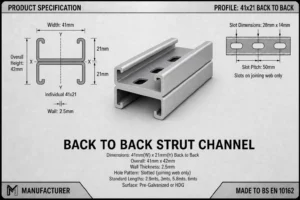
Back-to-Back Strut Channel 41x42mm
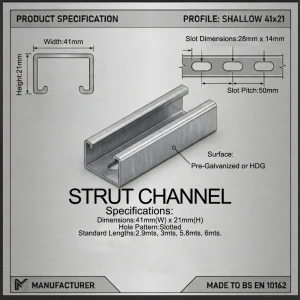
Strut Channel 41x21mm engineered for reliable power and signal transmission.

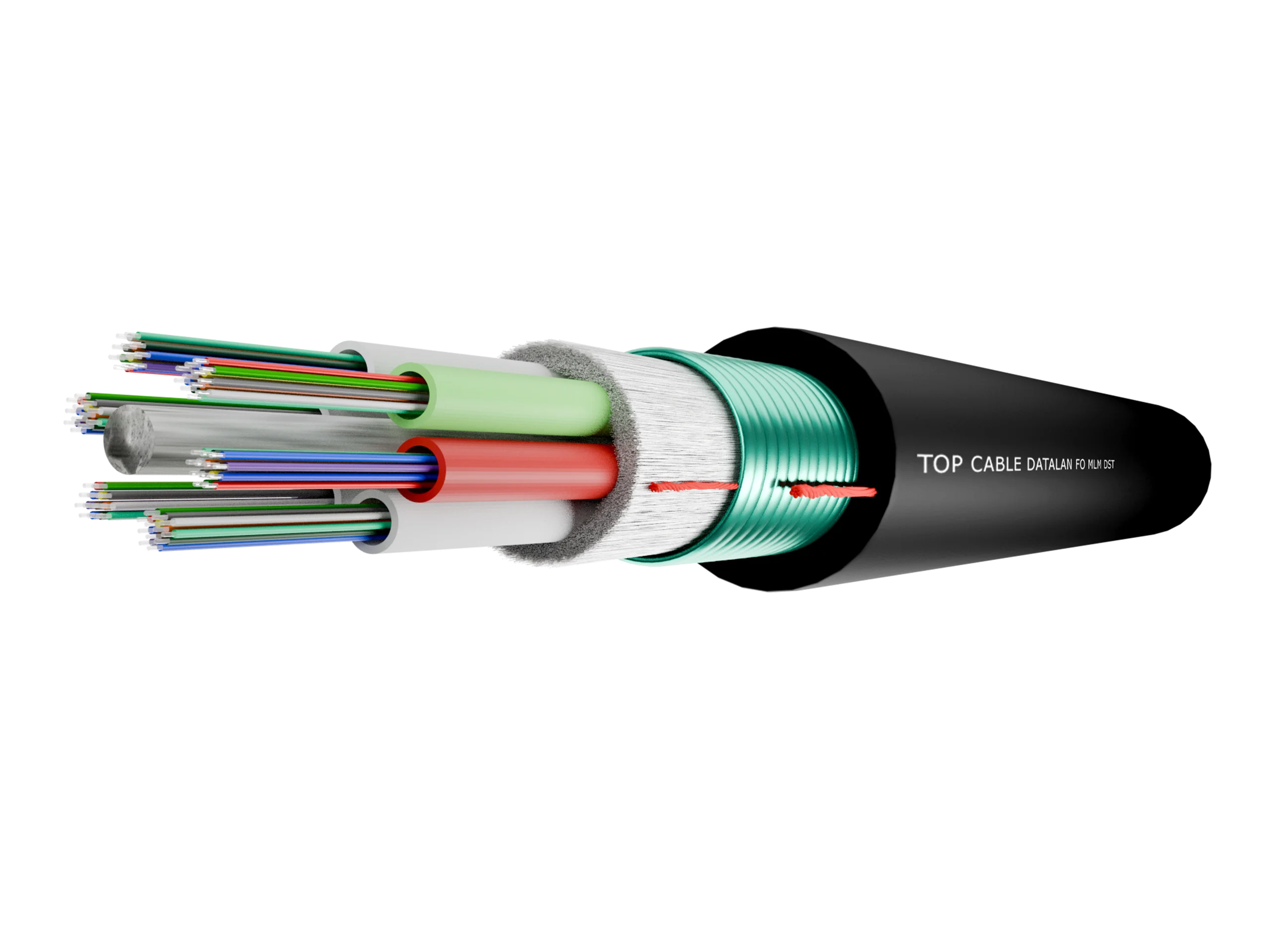
Loose tube fiber optic cables are the ideal choice for industrial installations, specifically designed for both indoor and outdoor environments. These lightweight cables are highly flexible, offer enhanced mechanical durability, provide UV protection, are water-resistant, and ensure a quick, easy installation.

Fiber optic cables for industrial facilities demand robust mechanical protection, superior tensile strength, fire safety and weatherproof performance. Our cables ensure reliable data transmission with low attenuation, UV resistance, and waterproof properties—ideal for indoor and outdoor installations.

Fiber optic cables for long-distance networks require robust mechanical protection, superior tensile strength, fire safety and weatherproof performance. Our cables ensure reliable data transmission with low attenuation, UV resistance, and waterproof properties—ideal for indoor and outdoor installations in telecom and broadband infrastructure.
Fiber optic cables for industrial facilities demand robust mechanical protection, superior tensile strength, fire safety and weatherproof performance. Our cables ensure reliable data transmission with low attenuation, UV resistance, and waterproof properties—ideal for indoor and outdoor installations.
Fiber optic cables for long-distance networks require robust mechanical protection, superior tensile strength, fire safety and weatherproof performance. Our cables ensure reliable data transmission with low attenuation, UV resistance, and waterproof properties—ideal for indoor and outdoor installations in telecom and broadband infrastructure.
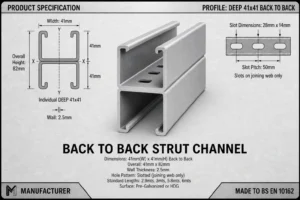
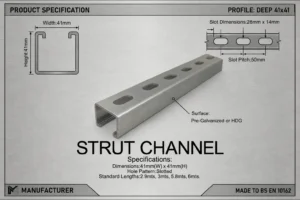
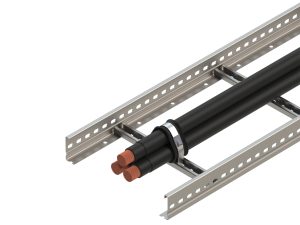
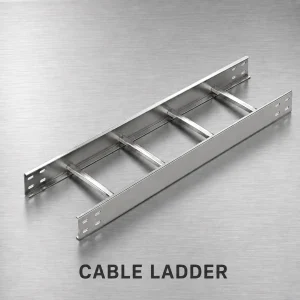
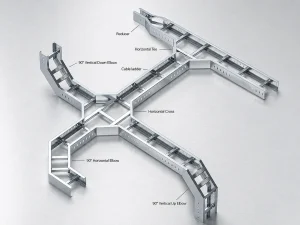
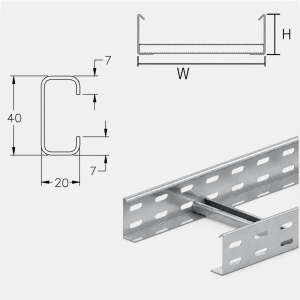
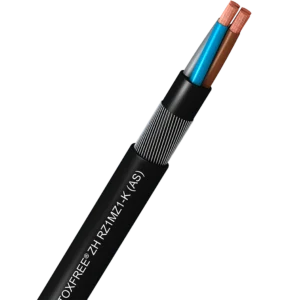

Resists crushing & impact damage

Reinforced Mechanical Protection

Built for Versatility and Durability in Fixed Armoured Applications

Quality You Can Trust – From an Industry Leader

Dedicated Technical Support Whenever You Need It

Excellence in Service, Mastery in Logistics.
Click a question to reveal the answer.
In the international market, fiber cables are typically categorized by their application (e.g., ADSS, OPGW, Micro-duct) and their fiber grade (e.g., OS2, OM4). The Chinese system uses the GB/T (Guobiao) code, which focuses on the installation environment and structural components using Pinyin initials.
Chinese System (GB/T): Common models include GYTS (Outdoor, loose tube, steel tape armor), GYTA (Outdoor, aluminum tape armor), GYXTW (Central tube, light-armored), and GJXH (Indoor drop cable).
International System (ISO/IEC & TIA): Focuses on construction types such as Duct Cable, Direct Buried, All-Dielectric Self-Supporting (ADSS), and Optical Ground Wire (OPGW). Performance is defined by fiber categories like G.652.D (Singlemode) or OM3/OM4 (Multimode).
While the alphanumeric codes vary, the core physical and optical parameters are harmonized under international standards bodies like the ITU-T and IEC.
Performance Alignment: A "GYTS" cable is functionally equivalent to an international "Corrugated Steel Tape Armored Loose Tube Cable" as long as both meet the IEC 60793 (fiber) and IEC 60794 (cable structure) specifications.
Standardized Geometry: The cladding (125µm) and core diameters (9µm, 50µm, or 62.5µm) are universal, ensuring that connectors and splicing equipment work seamlessly regardless of the cable's regional origin.
These designations define the bandwidth and distance capabilities of the fiber core:
OS2 (Singlemode): Optimized for long-haul and high-speed data transmission (up to 100km). It has a small core (9µm) and supports wavelengths of 1310nm and 1550nm with very low attenuation.
OM3/OM4 (Multimode): Designed for short-range applications like data centers. OM3 supports 10GbE up to 300m, while OM4 is optimized for 40GbE/100GbE up to 150m-400m using VCSEL lasers.
ADSS cables are designed for aerial installation on high-voltage power transmission lines or distribution poles.
Key Advantage: Being "All-Dielectric," they contain no metal components, making them immune to electromagnetic interference (EMI) and safe for installation in "live-line" environments without the need for power shutdowns.
Application: Ideal for telecommunications companies utilizing existing electrical utility corridors for long-span deployments.
Traditional fiber (G.652) suffers significant signal loss if bent too tightly. G.657 fiber is engineered with an optical trench that reflects light back into the core even during extreme bends.
A1/A2 Grade: Essential for Fiber-to-the-Home (FTTH) installations where cables must navigate tight corners, stapling, and compact wall outlets without compromising signal integrity.
Loose Tube (Outdoor): Fibers are "floating" inside a gel-filled tube. This protects the fiber from moisture and mechanical stress caused by thermal expansion/contraction in international climates.
Tight Buffered (Indoor): Each fiber is coated with a thick buffer layer (usually 900µm). This makes the cable easier to handle and terminate directly, providing the flexibility needed for indoor risers and horizontal cabling.
For cables buried directly in the ground without a conduit, CST armor provides essential protection against:
Rodent Attacks: Prevents squirrels and rats from chewing through the core.
Crush Resistance: Withstands the pressure of soil and heavy machinery.
Moisture Barrier: Adds an extra layer of protection against chemical ingress from the soil.
Micro-duct cables are ultra-compact cables designed to be air-blown into pre-installed micro-tubes.
Advantage: This allows service providers to install the infrastructure (tubes) first and blow in fiber only when needed, reducing initial CAPEX and allowing for easy fiber upgrades in the future.
Ribbon fiber consists of individual fibers bonded together in a flat ribbon.
Efficiency: It allows for mass fusion splicing, where 12 fibers can be spliced at once. This is the standard for high-density international metropolitan networks where fiber counts often exceed 864 or 1728 fibers.
Attenuation is the loss of light signal as it travels through the fiber, measured in dB/km.
International Benchmarks: High-quality G.652.D fiber should have an attenuation of ≤ 0.35 dB at 1310nm and ≤ 0.22 dB at 1550nm. Minimizing attenuation is critical for reducing the number of expensive optical repeaters in long-distance links.