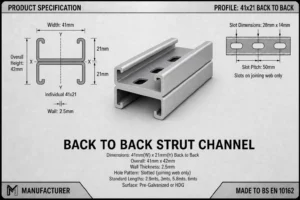
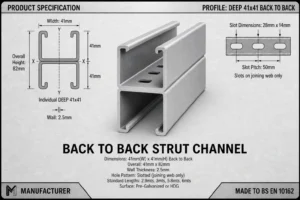
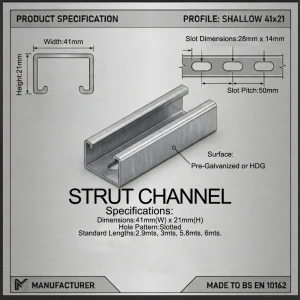
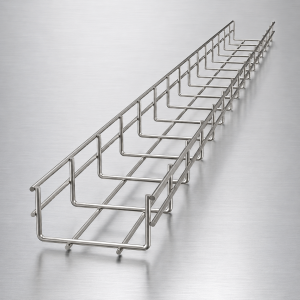
Back-to-Back Strut Channel 41x42mm
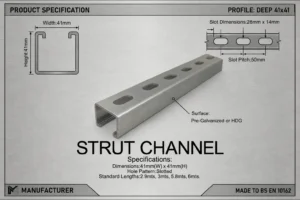
Strut Channel 41x21mm engineered for reliable power and signal transmission.

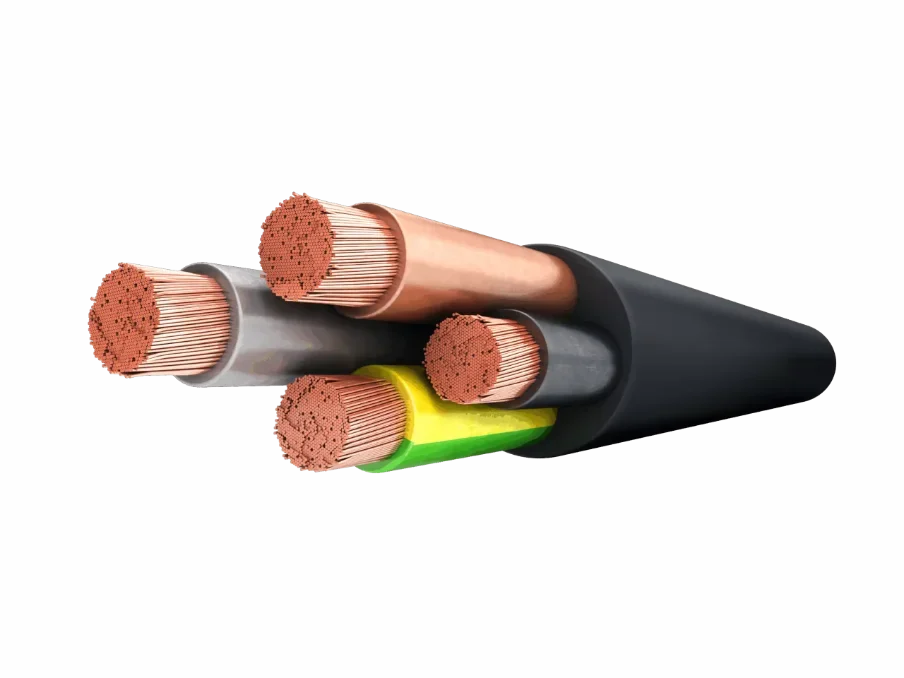
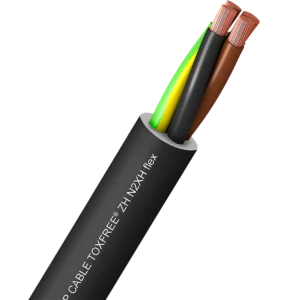
POWERFLEX® is the best XLPE/PVC cable choice. Our cables offer several advantages: exceptional flexibility, affordability and resistance to moisture and chemicals. They are known for their ability to bend easily, making them suitable for installation in tight spaces.
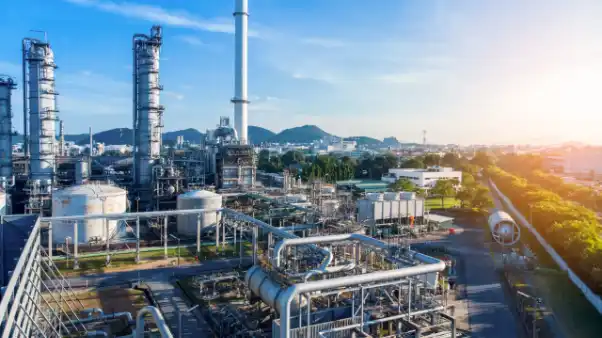
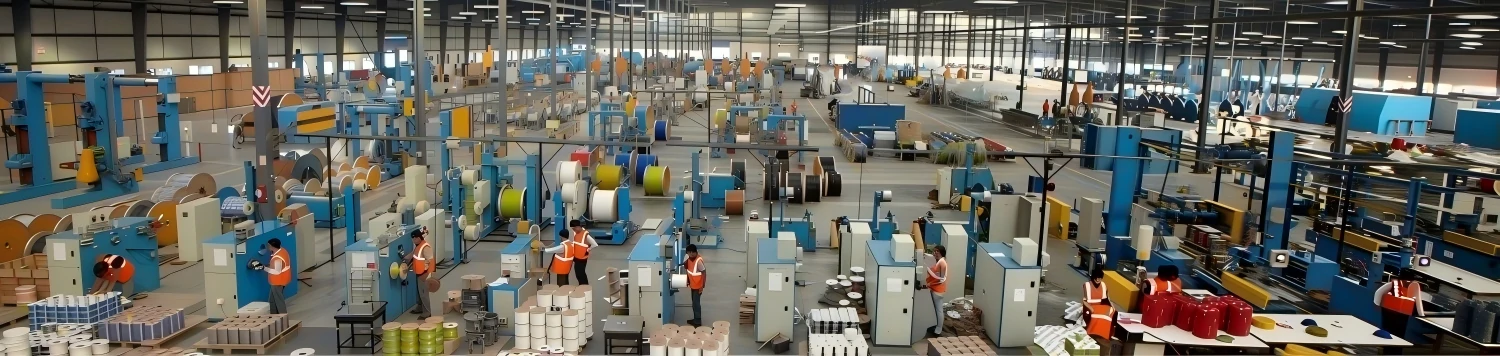
XLPE/PVC power cables provide excellent thermal stability, high voltage resistance, and long-term durability for industrial use. Their robust construction ensures reliable power distribution, resistance to chemicals and abrasion, and compliance with international standards, making them ideal for demanding factory and plant applications.

XLPE/PVC power cables are perfect for construction sites, offering superior durability, weather resistance, and mechanical protection. Their high-temperature tolerance, moisture resistance, and compliance with safety standards ensure reliable power distribution in rugged outdoor and temporary installations. Ideal for heavy-duty construction applications.
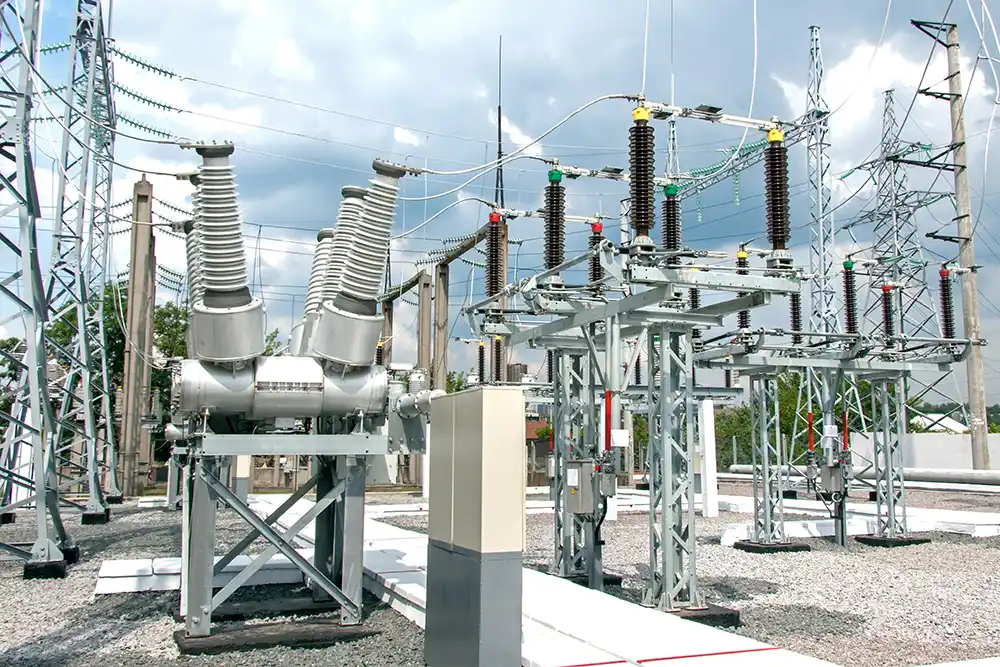
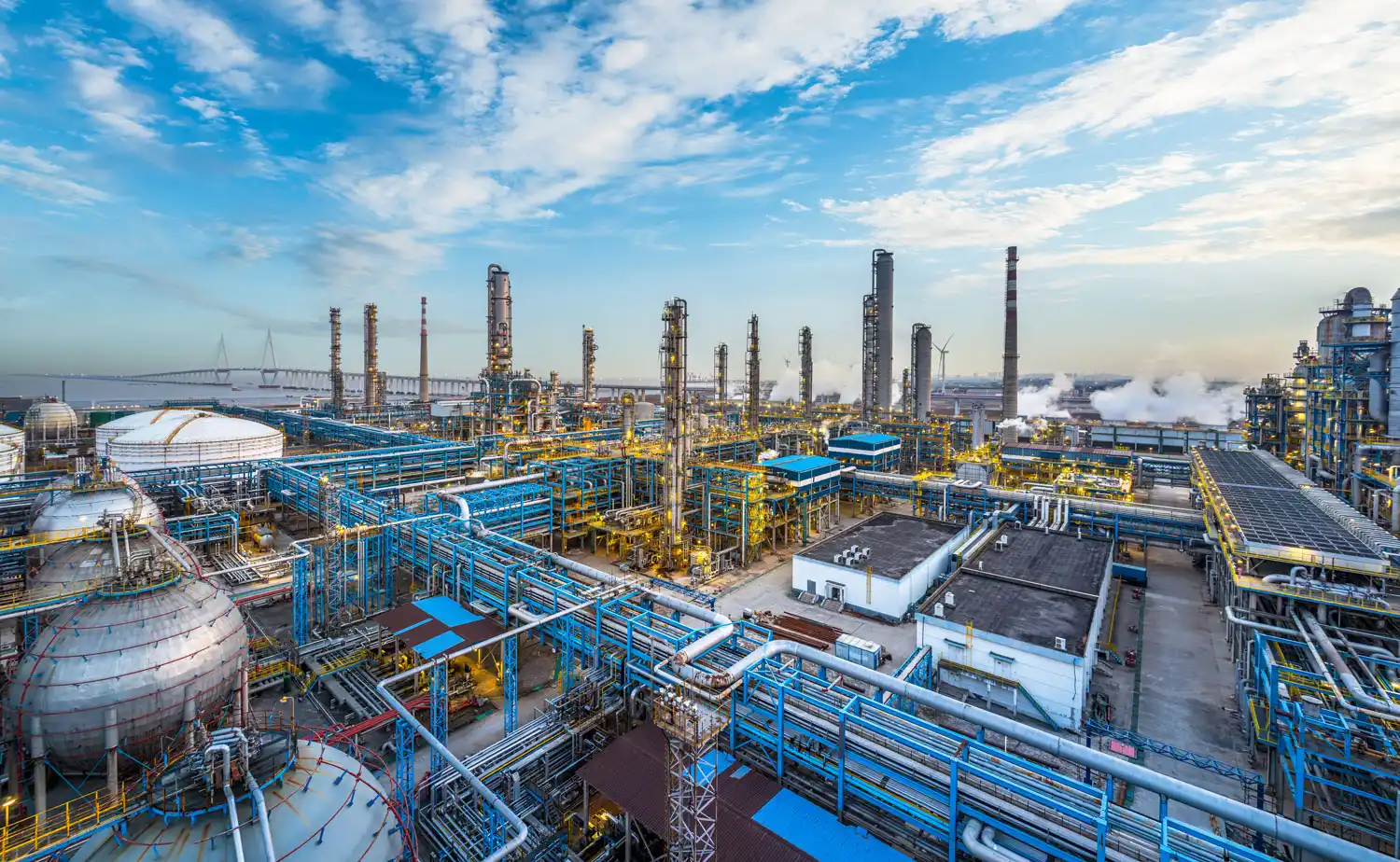
XLPE/PVC power cables deliver superior electrical insulation, high current capacity, and long-term reliability for power distribution networks. Their robust design ensures resistance to environmental stress, mechanical damage, and temperature fluctuations while meeting international standards—ideal for efficient and safe electricity transmission in utility and industrial grids.
XLPE/PVC power cables provide excellent thermal stability, high voltage resistance, and long-term durability for industrial use. Their robust construction ensures reliable power distribution, resistance to chemicals and abrasion, and compliance with international standards, making them ideal for demanding factory and plant applications.
XLPE/PVC power cables are perfect for construction sites, offering superior durability, weather resistance, and mechanical protection. Their high-temperature tolerance, moisture resistance, and compliance with safety standards ensure reliable power distribution in rugged outdoor and temporary installations. Ideal for heavy-duty construction applications.
XLPE/PVC power cables deliver superior electrical insulation, high current capacity, and long-term reliability for power distribution networks. Their robust design ensures resistance to environmental stress, mechanical damage, and temperature fluctuations while meeting international standards—ideal for efficient and safe electricity transmission in utility and industrial grids.
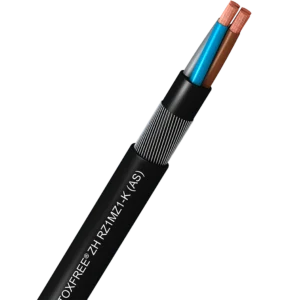

Resists crushing & impact damage

Reinforced Mechanical Protection

Built for Versatility and Durability in Fixed Armoured Applications

Quality You Can Trust – From an Industry Leader

Dedicated Technical Support Whenever You Need It

Excellence in Service, Mastery in Logistics.
Click a question to reveal the answer.
The distinction primarily lies in the coding system and material testing parameters. Chinese standards (GB/T) use a Pinyin-based letter system to describe cable components (e.g., "YJ" for XLPE, "V" for PVC), whereas international standards like IEC 60502 or British Standards (BS) focus on numerical voltage ratings and material abbreviations derived from English. While the physical construction—conductor, insulation, bedding, armor, and sheath—is often identical, the tolerances for conductor resistance and flame retardancy ratings may vary slightly to meet specific regional safety certifications.
Chinese Designations (GB/T):
YJV / YJLV: XLPE insulated, PVC sheathed (Copper/Aluminum).
YJV22 / YJLV22: XLPE insulated, steel tape armored, PVC sheathed.
VV / VLV: PVC insulated, PVC sheathed.
International Designations (IEC/BS/VDE):
NYY / NAYY: PVC insulated and sheathed power cables (VDE standard).
6941X / 6941AB: XLPE insulated, SWA (Steel Wire Armor), PVC sheathed (BS standard).
N2XY / NA2XY: XLPE insulated, PVC sheathed.
CU/XLPE/PVC: A generic descriptive format used globally in tenders.
Cables are manufactured based on electrical performance and material properties, not just names. Most high-quality manufacturers produce cables that meet or exceed IEC (International Electrotechnical Commission) standards, which serve as the global "language" of engineering. As long as a cable’s voltage rating ($0.6/1kV$ or $6/10kV$), cross-sectional area, and insulation type meet the local installation code’s safety requirements, the specific naming string becomes secondary to the Type Test Report and Certificate of Compliance.
XLPE insulation offers superior thermal properties compared to standard PVC. It can withstand a continuous operating temperature of 90°C and emergency overload temperatures up to 130°C. Its molecular structure provides high dielectric strength and low dielectric loss, making it highly efficient for both low and medium-voltage applications where long-term reliability is critical.
While XLPE is technologically superior, PVC (Polyvinyl Chloride) remains a cost-effective solution for low-voltage applications ($0.6/1kV$) where high temperature is not a factor. PVC is more flexible, easier to strip during installation, and possesses inherent flame-retardant properties. It is ideal for indoor wiring, fixed installations in dry environments, and projects with strict budget constraints.
SWA is essential for cables installed in underground trenches or areas where mechanical impact is likely. The galvanized steel wires provide high tensile strength and protection against crushing. In contrast, Steel Tape Armor (STA) is better suited for protection against rodent damage and pressure but offers less tensile strength than wire armor.
Aluminum is significantly lighter and more cost-effective, often chosen for long-distance transmission to reduce overall project costs. However, because aluminum has lower conductivity, a larger cross-sectional area is required to carry the same current as copper. Copper is preferred in space-constrained industrial environments due to its superior conductivity and ease of termination.
In the event of a fire, standard PVC sheathing releases dense black smoke and toxic halides. For public infrastructure, high-rise buildings, and data centers, an LSZH (or LSHF) sheath is specified. This material ensures high visibility for evacuation and prevents acid gas damage to sensitive electronic equipment.
The ampacity is determined by the conductor material, the insulation’s thermal limit, and the ambient environment. Factors such as soil thermal resistivity (for buried cables), proximity to other cables (grouping factors), and exposure to direct sunlight (UV radiation) must be calculated to prevent overheating and premature insulation failure.
Yes, but with precautions. While XLPE remains stable at low temperatures, the PVC outer sheath becomes brittle at temperatures below 0°C. If installation occurs in cold climates, the cables must be pre-heated or specified with a special "Arctic Grade" or Polyethylene (PE) sheath to prevent cracking during bending.
U: Rated power-frequency voltage between conductors.
Understanding these ensures the cable can handle the potential fluctuations of the specific electrical grid.
For medium-voltage applications, moisture ingress can lead to "water treeing," a phenomenon that slowly degrades XLPE insulation and causes electrical breakdown. In these cases, we recommend cables with longitudinal water-blocking tapes or powders and a high-density polyethylene (HDPE) outer jacket.
Exceeding the minimum bending radius can damage the armor or stress the insulation, leading to hotspots. Generally, unarmored cables require a radius of 12x the overall diameter, while armored versions may require 15x to 20x. Adhering to these specs ensures the physical integrity of the cable remains intact during complex routing.
Multi-core cables are more compact and easier to install for standard three-phase systems. However, single-core cables are often used in high-current industrial applications because they are easier to handle in large cross-sections and allow for better heat dissipation. Note: Single-core armored cables must use Aluminum Wire Armor (AWA) instead of steel to prevent electromagnetic heating (eddy currents).