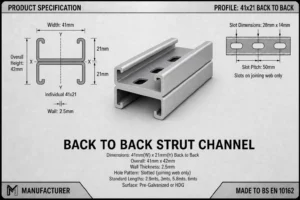
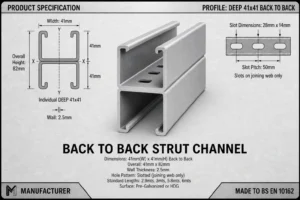
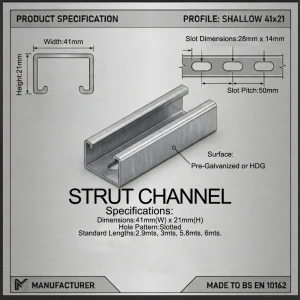
Back-to-Back Strut Channel 41x42mm
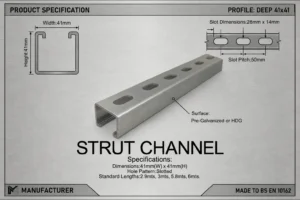
Strut Channel 41x21mm engineered for reliable power and signal transmission.
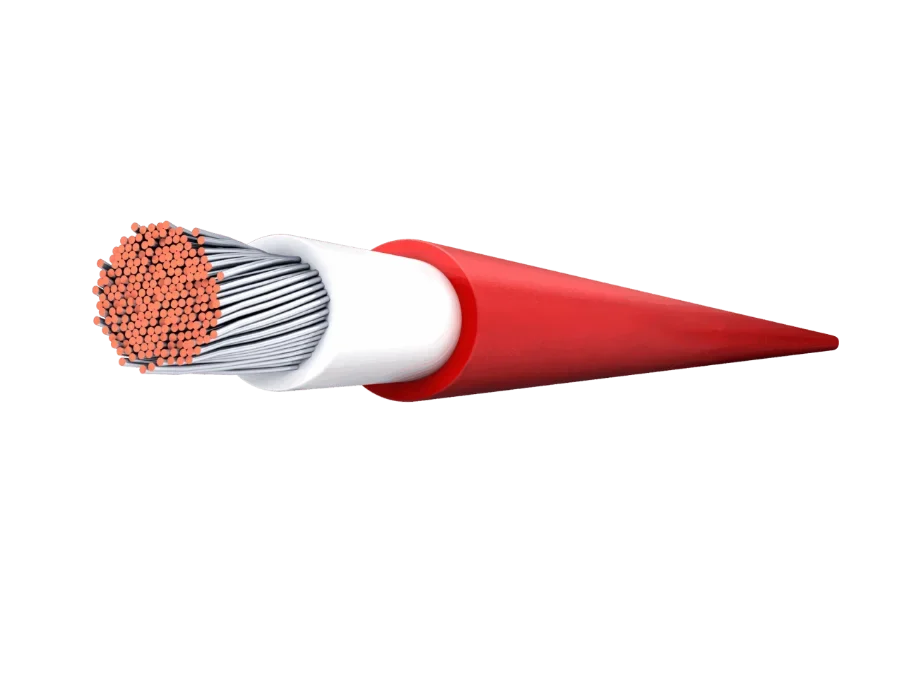
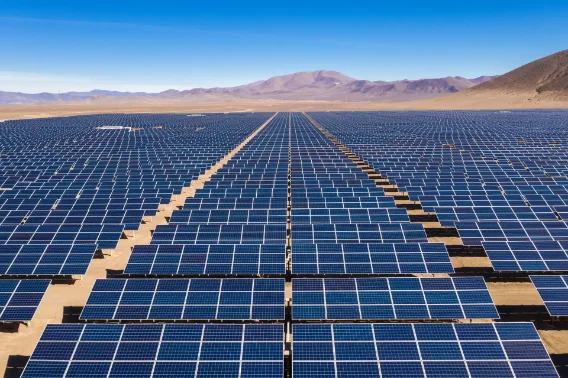
TOPSOLAR® is the best cable choice for demanding and hazardous PV environments. Our cables deliver outstanding flexibility, durability, and resistance to environmental factors such as sand abrasion, UV radiation, water, and extreme temperatures—while fully meeting the most stringent international PV standards.
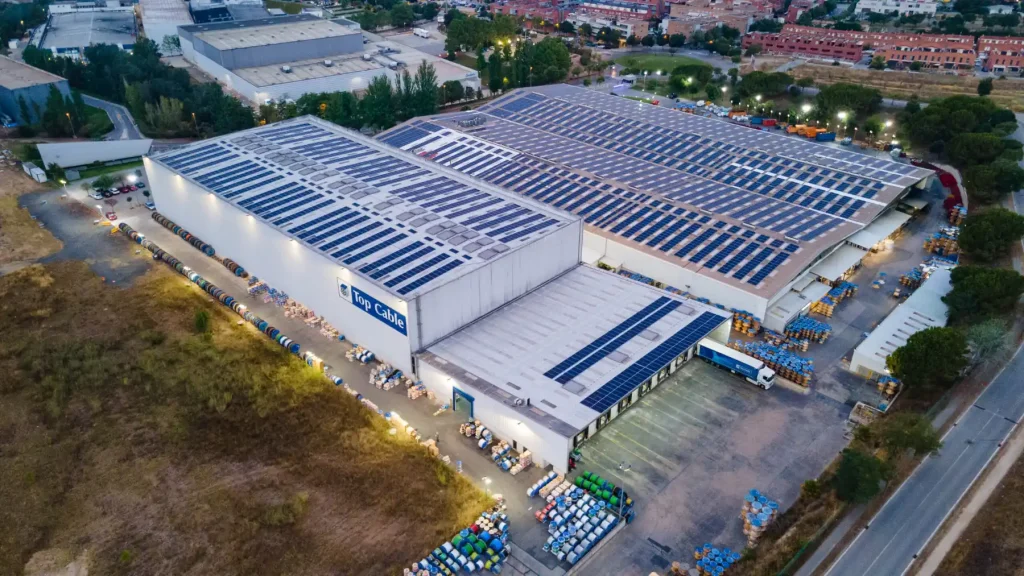
Rooftop solar installations demand EN 50618-compliant PV cables offering exceptional UV/weather resistance, flexibility, and AD8 (submerged) waterproof protection. For string systems, specify H1Z2Z2-K-rated cables with tinned copper conductors, double-insulated rubber outer sheath, and mechanical robustness. These solutions guarantee 25+ year performance in extreme temperatures (-40°C to 90°C) while meeting CPR Cca fire-safety standards for fire protection.
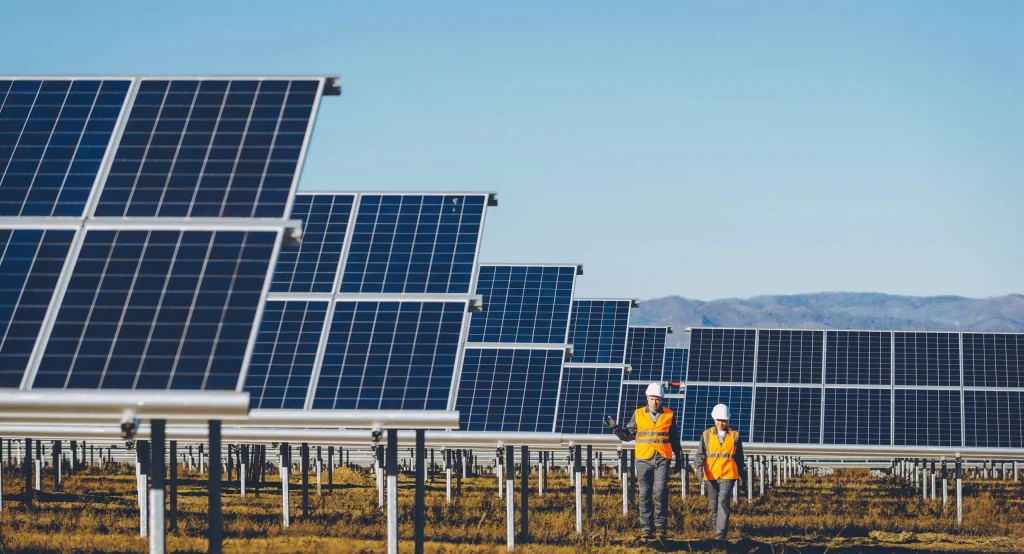
Global solar projects executed by EPCs, developers, and installers require high-performance cabling solutions. Our portfolio includes: H1Z2Z2-K cables with tinned copper conductor and double-insulated rubber outer sheath for string systems; medium-voltage cables for grid interconnections; and aluminum power cables for balance-of-system components—all engineered for durability, efficiency, and compliance in utility-scale and distributed generation applications.
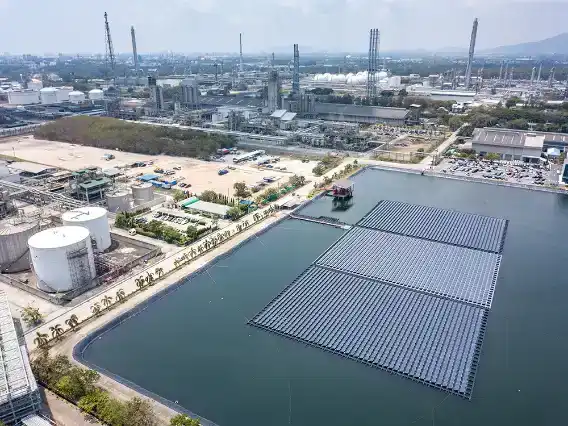
Floating solar power plants demand specialized PV cables engineered for unique aquatic environments. These cables combine extreme UV resistance , AD8 (submersion) waterproofing, and extreme flexibility for wave movement. With reinforced mechanical protection against mosture and abrasion our PV compliant solutions ensure 25+ year performance in freshwater reservoirs, coastal lagoons, and hydroelectric-coupled installations worldwide.
Rooftop solar installations demand EN 50618-compliant PV cables offering exceptional UV/weather resistance, flexibility, and AD8 (submerged) waterproof protection. For string systems, specify H1Z2Z2-K-rated cables with tinned copper conductors, double-insulated rubber outer sheath, and mechanical robustness. These solutions guarantee 25+ year performance in extreme temperatures (-40°C to 90°C) while meeting CPR Cca fire-safety standards for fire protection.
Global solar projects executed by EPCs, developers, and installers require high-performance cabling solutions. Our portfolio includes: H1Z2Z2-K cables with tinned copper conductor and double-insulated rubber outer sheath for string systems; medium-voltage cables for grid interconnections; and aluminum power cables for balance-of-system components—all engineered for durability, efficiency, and compliance in utility-scale and distributed generation applications.
Floating solar power plants demand specialized PV cables engineered for unique aquatic environments. These cables combine extreme UV resistance , AD8 (submersion) waterproofing, and extreme flexibility for wave movement. With reinforced mechanical protection against mosture and abrasion our PV compliant solutions ensure 25+ year performance in freshwater reservoirs, coastal lagoons, and hydroelectric-coupled installations worldwide.
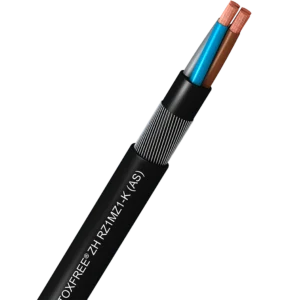
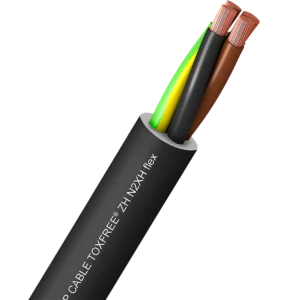

Resists crushing & impact damage

Reinforced Mechanical Protection

Built for Versatility and Durability in Fixed Armoured Applications

Quality You Can Trust – From an Industry Leader

Dedicated Technical Support Whenever You Need It

Excellence in Service, Mastery in Logistics.
Click a question to reveal the answer.
In the international market, solar cables are defined by specific harmonized standards (like the European system) or North American UL classifications. The Chinese system uses the GB (Guobiao) standard, which utilizes Pinyin initials to denote the cable's characteristics.
Chinese System (GB/T 33594): Common models are identified as WDZ-PV1-F (Low smoke halogen-free, flame retardant PV cable).
International System (EN/IEC): The gold standard is H1Z2Z2-K. The "H" denotes harmonized, "1Z2Z2" indicates specialized cross-linked LSZH insulation and jacket, and "K" signifies flexible stranded conductor.
North American System: Focuses on PV Wire or USE-2 (Underground Service Entrance) ratings as per UL 4703.
Compatibility is fundamentally based on Standard Harmonization. While a cable might be labeled PV1-F in China and H1Z2Z2-K in Europe, both are often engineered to meet the same IEC 62930 or EN 50618 benchmarks. These standards dictate identical performance requirements: a 25-year service life, UV and Ozone resistance, and a temperature range of -40°C to +90°C. As long as the technical data sheet (TDS) confirms compliance with these international benchmarks, the cable is functionally equivalent and safe for global solar projects.
H1Z2Z2-K is the evolved version of the original PV1-F.
Voltage Rating: H1Z2Z2-K is rated for 1500V DC, whereas some PV1-F versions were limited to 1000V.
Water Resistance: It features enhanced protection against water ingress (AD8 rating), making it suitable for environments where cables may be exposed to moisture or occasional submersion.
Durability: It offers better mechanical resistance and is specifically tested for long-term burial in dry ground under certain conditions.
Unlike standard PVC, the insulation of solar cables (XLPO) undergoes electron-beam cross-linking. This process changes the molecular structure of the polymer from linear to a 3D network.
Result: The material will not melt or flow at high temperatures (up to 120°C for short periods) and provides exceptional resistance to the intense UV radiation found in solar farms, ensuring the cable does not become brittle over its 25-year lifespan.
Single-Core: The standard for connecting PV modules in a string. It offers maximum flexibility and is easier to route through tight conduits or cable glands.
Twin-Core: Often used in smaller residential or RV installations. It combines the positive and negative lines into one jacketed cable, simplifying the cable run but offering less heat dissipation in large-scale utility arrays.
Because PV systems operate on DC, long cable runs can lead to significant voltage drops. To maximize the energy sent to the inverter, international best practices suggest keeping the voltage drop below 1% or 2%. This often requires choosing a larger cross-section (e.g., 6mm² or 10mm² instead of 4mm²) for longer cable runs.
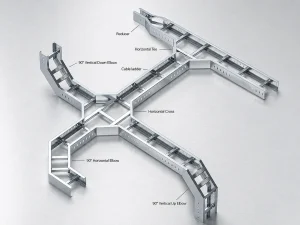
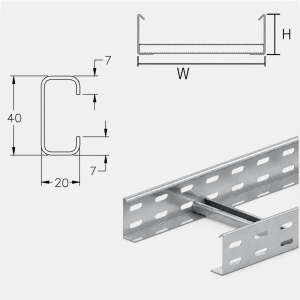
In commercial rooftop projects, Perforated Cable Trays are the standard.
Heat Dissipation: Perforations allow for airflow, preventing the cables from overheating under the midday sun.
Organization: They allow for the separation of DC and AC runs, which is a requirement in many international electrical codes to prevent electromagnetic interference.
4mm²: Standard for short strings in residential systems.
6mm²: The most common size for commercial projects to balance cost and voltage drop.
10mm² or larger: Used for very long strings or as main "home-run" cables to minimize energy loss in large utility-scale arrays.